
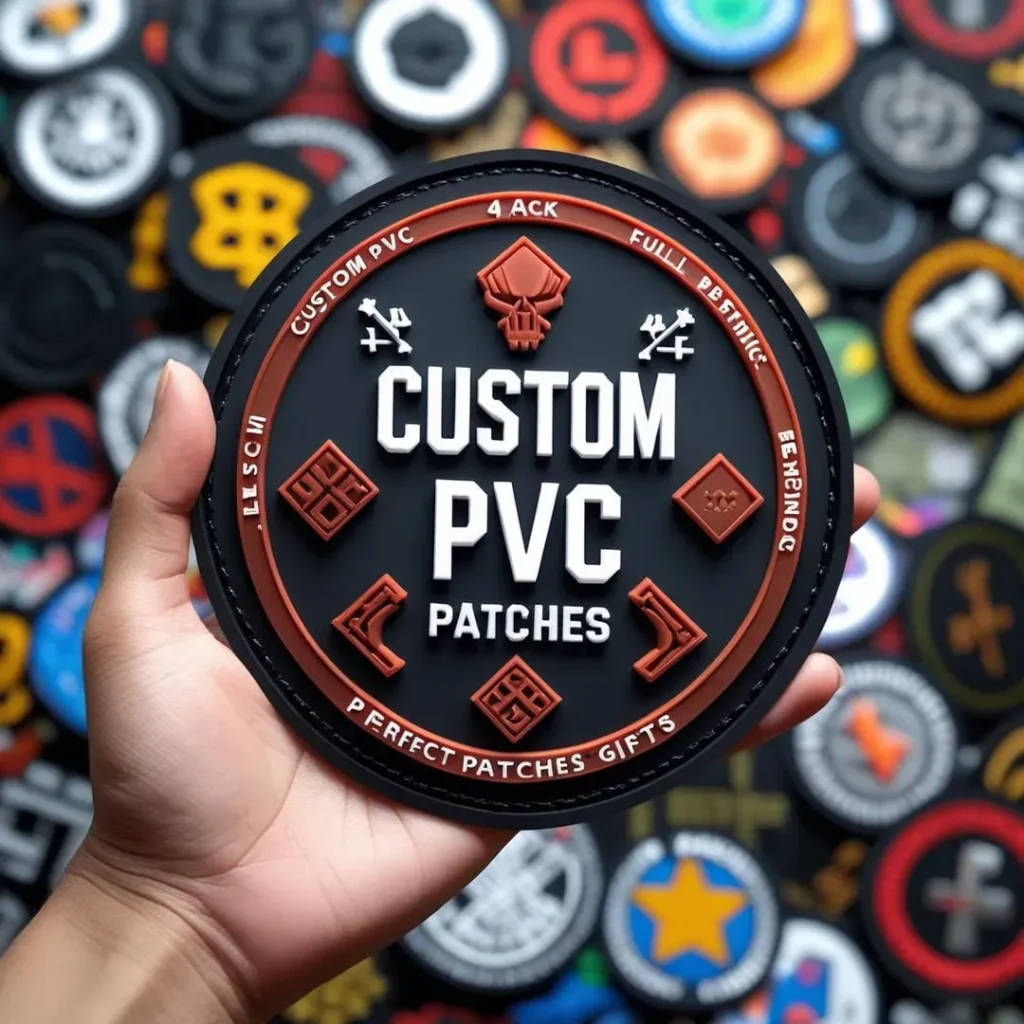
Custom Patch Monetization is more than a clever phrase; it unlocks a scalable approach to turning a traditional craft into a merchandise line. Embroidered patches, once small jacket embellishments, have evolved into a powerful tool for branding and building an embroidered patch business—that’s the core opportunity. This approach centers on great design, production efficiency, and smart channel choices to generate revenue from patches. Ideas for merchandise concepts can span themed sets, collaborations, and bundles that appeal across online stores and marketplaces. Whether you’re an artist, maker, or brand, you’ll discover practical steps to turn designs into durable revenue while preserving the artistry of patches.
Beyond the basics, the real opportunity lies in patch licensing and collaborations that extend your reach. Treat your patch art as license-ready visuals that can appear on apparel, accessories, and collaborative drops. A resilient strategy uses licensing partnerships, co-branding, and wholesale channels to diversify revenue streams. Begin by assembling a professional portfolio, defining usage rights clearly, and approaching partners with compelling case studies.
Custom Patch Monetization: From Idea to Income in the Embroidered Patch Business
Custom Patch Monetization is a practical framework for turning embroidered patches into a scalable revenue stream. Framed as both art and product, this approach taps into the growing embroidered patch business by treating patches as brand storytelling tools and collectible items.
Start by aligning your designs with a monetization mindset: validate ideas through trend research, audience insights, and small-batch prototyping. Consider how each design translates across backings and sizes, laying the groundwork for a cohesive line that can be sold as bundles—an essential element of patch merchandise ideas and a path toward selling embroidered patches online.
Designing for Patch Merchandising Ideas: Creating Collectible Patches That Sell
Design for patch merchandising ideas begins with a clear concept and legibility at small scales. Develop distinctive motifs that resonate with your target audience—outdoor adventures, retro culture, or team insignias—so each patch strengthens the overall embroidered patch business narrative.
Play with color, borders, and backing options to support a scalable product line. Document design specs to streamline licensing opportunities and collaborations later, while ensuring production remains efficient enough to monetize patches across multiple channels.
Production, Costs, and Quality: Building Sustainable Revenue with Embroidered Patches
A solid production strategy keeps costs predictable and margins healthy. The patch production process—digitizing artwork, choosing stitch counts, and selecting backing types—directly influences unit costs and profitability, making it crucial for long-term monetization.
Quality consistency reduces returns and boosts customer satisfaction. Offer swatches to wholesale partners to facilitate larger orders, and maintain high standards in consumer channels to reinforce the embroidered patch business identity and support ongoing revenue from patch merchandise ideas.
Channel Strategy: Selling Patches Online, in Stores, and Wholesale
Direct-to-consumer channels form the backbone of a monetized patch program. An online store serves as the brand’s home base for storytelling and data capture, with SEO-friendly product pages that include terms like embroidered patches, patch merchandise ideas, and selling embroidered patches online.
Expand reach through marketplaces and wholesale partnerships. Licensing and collaborations can unlock new audiences and revenue streams, so plot licensing terms, wholesale pricing, and contract basics to avoid surprises while growing the patch licensing and collaborations stream within your channel mix.
Marketing and SEO for Patches: Boosting Visibility for Patch Merchandise Ideas
A thoughtful marketing plan elevates patch visibility and accelerates monetization. Use SEO-rich content that centers on embroidered patches, selling patches online, and patch merchandise ideas across product descriptions, FAQs, and blog posts to improve search rankings.
Social media, influencer collaborations, and email marketing deepen engagement. Share making-of content, customer photos, and limited editions to drive demand, while building a community around your embroidered patches and reinforcing the patch merchandise ideas that fuel recurring purchases.
Licensing, Collaborations, and Legal Considerations: How to Monetize Patches Through Partnerships
As you scale, licensing and collaborations become powerful growth channels. Protect your designs with clear IP terms, explore co-branding opportunities, and pursue patch licensing and collaborations to extend reach without sacrificing quality.
Legal diligence supports sustainable monetization: obtain necessary permissions for third-party logos, maintain transparent licensing terms, and establish contracts that outline usage rights, royalties, and revival clauses. This careful approach helps safeguard the embroidered patch business while enabling creative partnerships and steady revenue growth.
Frequently Asked Questions
What is Custom Patch Monetization and why is it a viable embroidered patch business?
Custom Patch Monetization is a strategic approach to turning embroidered patches into a scalable line of merchandise. By prioritizing design quality, production efficiency, and a multi-channel strategy, you can grow an embroidered patch business beyond a few single sales. Start by defining your audience, testing designs, and planning price points that support sustainable margins.
How can I monetize patches effectively by selling embroidered patches online?
To monetize patches online, launch a dedicated storefront or leverage marketplaces and social channels. Optimize product pages with SEO-friendly descriptions that include embroidered patches and selling embroidered patches online, run bundles and limited editions, and build an email list for launches and discounts.
What patch merchandise ideas can jumpstart a new patch line?
Think in themed bundles and story-driven lines. Ideas include outdoor adventure sets, retro arcade micro-logos, club or fandom patches, and collaborations with other creators. Pair designs with different backings and pricing options to encourage collectors to buy multiple patches.
How can licensing and collaborations grow my patch business?
Patch licensing and collaborations let your art appear on partners’ products or co-branded patches. Build a strong portfolio, secure clear usage rights, and negotiate upfront payments plus royalties where appropriate. Seek brand, creator, or nonprofit partners to expand reach and credibility.
Which channels and pricing strategies optimize revenue for a patch monetization plan?
Use a mix of direct-to-consumer stores, marketplaces, and wholesale partnerships to maximize reach and revenue in your patch monetization plan. Implement tiered pricing for singles, bundles, and limited drops, and set wholesale terms that protect margins. Align product pages with patch merchandise ideas to attract search traffic.
What steps should I take to manage production costs and ensure quality for sustainable revenue?
Develop a cost model based on patch size, stitch count, and backing; choose durable materials and consistent backing types. Offer sample swatches for buyers, monitor defect rates, and maintain a consistent look across patches to protect brand value. High quality reduces returns and supports repeat business.
| Topic | Key Points | Notes / Details |
|---|---|---|
| What is Custom Patch Monetization? | Strategic approach to turning patches into a scalable revenue stream; patches as branding tool; emphasizes embroidered patches as both art and product. | Intro: from small embellishments to a viable business with a focus on monetization of patch designs. |
| Why It’s Relevant | Patches have moved from niche to mainstream; strong demand for personal expression, club logos, team mascots, and collaborations. | Markets are multi-channel: online stores, marketplaces, and wholesale opportunities; goal is scalable growth while preserving quality. |
| Foundational Concepts | Three pillars: design quality, production efficiency, and channel strategy; diverse backings (iron-on, sew-on, Velcro); various patch types and bundles. | Focus on maintaining identifiable design across sizes and backings; consider licensing opportunities. |
| Chapter 1: Ideation & Design | Develop compelling, audience-aligned designs; research trends/keywords; create cohesive mini-line; explore licensing. | Narrative-driven design enhances perceived value and encourages collection. |
| Chapter 2: Production, Quality & Cost | Digitize art, select thread/colors, and embroider efficiently; model costs for healthy margins; optimize for scale. | Quality consistency reduces returns; samples help wholesale partners establish trust. |
| Chapter 3: Channel Strategy | Direct-to-consumer stores with SEO-friendly product pages; marketplaces; wholesale/licensing opportunities. | Tiered pricing, bundles, and limited editions drive value; licensing requires clear terms and contracts. |
| Chapter 4: Marketing, SEO & Community | SEO-focused content using terms like embroidered patches, patch merchandise ideas, selling embroidered patches online; social content and email campaigns. | Build communities, collaborations, and subscriber lists to sustain demand. |
| Chapter 5: Pricing, Bundling & Experience | Value-based pricing, themed patch bundles, and strong packaging/unboxing to boost perceived value and AOV. | Packaging as part of brand story and customer experience. |
| Chapter 6: Legal & Ethics | Protect IP; obtain licenses/permissions for third-party logos; clear usage terms; consider trademarks for brand identity. | Robust contracts and licensing terms prevent disputes and support sustainable monetization. |
| Chapter 7: Case Studies | Practical scenarios: art series with online sales, licensing to clothing brands, charity-driven limited editions; test channels and scale. | Start small, test demand across channels, then expand thoughtfully. |
| Conclusion | Key takeaways: Custom Patch Monetization is a practical framework; focus on design quality, production efficiency, and diversified channels; maintain brand story and audience alignment as you scale. | Start with a cohesive patch line, measure performance, and grow. The world of embroidered patches holds vibrant monetization opportunities. |