
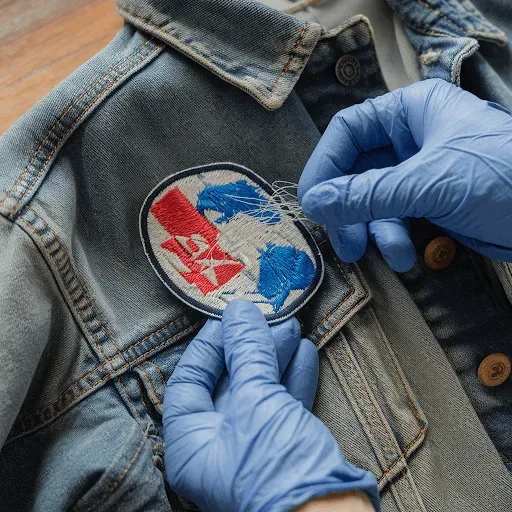
Learning how to remove embroidered patches safely can refresh a garment without buying new, save time, and protect your budget, making a small alteration feel like a big upgrade. This guide outlines practical patch removal techniques for sew-on and iron-on styles, while also showing how to reposition embroidered patches across fabrics with minimal risk of fraying or residue. You’ll discover how to reuse embroidered patches on other items, how to plan new placements for a cohesive look, and how reuse can extend the life of your wardrobe while maintaining quality. By choosing fabric-safe patch removal methods and following careful steps, you can preserve fabric integrity, maintain colorfastness, and avoid lingering adhesive while preparing patches for reuse or repositioning. Whether you are updating a jacket, reviving a bag, or tailoring a beloved shirt, this approach offers clear, actionable steps so you can remove embroidered patches and reattach them confidently for lasting appeal.
Beyond the basics, detaching a stitched patch or heat-activated badge involves careful steps to separate surface embroidery without harming the fabric. Viewed through an LSI lens, terms like seam detachment, motif relocation, and fabric-safe handling describe the task in related but distinct ways. This framing emphasizes reusing embellishments, repositioning decorative patches, and repurposing patches to extend wardrobe life while preserving textile integrity. By prioritizing colorfastness, adhesive residue control, and fabric compatibility, the topic becomes about thoughtful customization rather than rushed alterations.
Identify Patch Types and Prep for Safe Removal
Start by identifying patch type and prepping the fabric for safe removal. Distinguish sew-on patches from iron-on (heat-activated) patches, as each method requires different patch removal techniques and precautions. Knowing the patch type helps you choose the safest approach and reduces the risk of damage to fibers or finishes.
Before you begin, plan the patch area and decide whether you might reposition or reuse the patch later. Mark the location or snap a quick photo to guide future work. Testing colorfastness in a discreet spot and keeping your workspace clean are essential steps in fabric-safe patch removal and help preserve the garment for reuse.
Tools and Preparations for Clean, Fabric-Safe Patch Removal
Assemble your toolkit to support precise work and minimize fabric snagging. Essential items include a sharp seam ripper or small scissors, fine-tipped tweezers, a clean sewing needle and thread, a pressing cloth, and a heat source for iron-on patches. Using the right tools makes patch removal techniques more predictable and reduces the chance of damaged fabric.
Create a tidy workspace and protect fabrics with a light-colored cloth beneath the garment. Have isopropyl alcohol or a fabric-safe adhesive remover on hand for residue, and test any solvent on an inconspicuous area first. With proper tools and prep, you’ll experience smoother, fabric-safe patch removal and cleaner results when you proceed.
Remove Embroidered Patches: Sew-On Patch Removal Techniques
Remove embroidered patches: Sew-On Patch Removal Techniques. Start by gently prying up the edge of the seam with a seam ripper, then work along the stitched border, taking care to cut threads rather than tearing fabric. Slow, deliberate stitching removal minimizes puckering and preserves the base garment.
Continue by checking for knotty threads and removing loose fibers with tweezers. After all stitching is released, peel the patch away gradually, keeping tension even to avoid stretching or fraying. Inspect the fabric again for any stray threads and trim them cleanly; this preserves fabric integrity for any future repositioning or reuse.
Remove Iron-On and Mixed Patches Without Damage
Remove Iron-On and Mixed Patches Without Damage. Begin with a colorfastness test on a hidden area, then heat the patch with a low setting, using a pressing cloth and minimal pressure. Apply gentle heat for a few seconds, avoiding steam, and keep the iron motionless to prevent damage. If the patch releases, lift a corner with tweezers and continue carefully.
When the backing releases, peel slowly and evenly. If any glue remains, dab with isopropyl alcohol on a soft cloth rather than rubbing, to avoid discoloration. For mixed patches that combine stitching and adhesive, alternate mechanical lifting with heat to reduce fabric stress and preserve fiber integrity; if the fabric is delicate, consider professional help.
Reuse and Reposition Patches Across Garments
Reuse and Reposition Patches Across Garments. After removing a patch, inspect the backing for loose threads or adhesive residue and clean gently. Ensure the patch is completely dry before attempting to reposition it on a new garment or reuse embroidered patches elsewhere. When planning a new placement, consider color, texture, and existing design so the patch sits flat and visually balanced.
For reattachment, you can sew around the edges for durability or re-activate the adhesive with a brief heat pass if the patch is still adhesive-backed. Both approaches support reposition embroidered patches with a stable, wrinkle-free result; sewing provides the strongest hold for high-wear areas, while heat-activated adhesion works well for lighter use and quicker updates. If you’re moving patches between fabrics of different materials, test colorfastness first.
Care and Longevity: Fabric Care and Residue Management
Care and Longevity: Fabric Care and Residue Management. After repositioning or removing patches, manage any remaining residue with care. Use a tiny amount of adhesive remover or rubbing alcohol on a soft cloth and blot—don’t rub—to avoid fiber damage. Prioritize fabric-safe patch removal methods so you don’t compromise the garment’s texture or color.
Care tips include washing on a delicate cycle and avoiding high heat directly on patches. Turn garments inside out or use a mesh bag to protect patches during laundering. Regularly inspect that patches stay firmly attached, re-sewing if needed, and reuse embroidered patches across wardrobes to maximize the life of the designs.
Frequently Asked Questions
What is the best method to remove embroidered patches from fabric without causing damage?
Identify patch type (sew-on or iron-on) and choose the corresponding method. For sew-on patches, use a sharp seam ripper to cut threads along the edge and work slowly to avoid fraying. For iron-on patches, test colorfastness, apply low heat with a pressing cloth to soften adhesive, then gently lift and peel. After removal, inspect for residue and use a small amount of isopropyl alcohol on a cloth to blot away adhesive, testing first on an inconspicuous area.
Can I reuse embroidered patches after I remove embroidered patches from a garment, and how to prep them for reuse?
Yes, you can reuse embroidered patches. Start by inspecting the patch backing for loose threads and removing any adhesive residue. Clean and dry the patch, then reattach using sewing for durability or re-activate hot glue if the backing is adhesive. Test the fabric with heat or adhesive before full reattachment, and consider backing the target area with interfacing for extra support.
What are the patch removal techniques for sew-on versus iron-on patches?
Sew-on patches require removing stitching with a seam ripper or small scissors, taking care to trim threads and avoid fabric damage. Iron-on patches rely on heat-activated adhesive; heat gently with a cloth over the patch, peel away at a corner, and remove any remaining glue with alcohol. For mixed patches, remove stitching first, then use heat to release the adhesive.
What tools are essential for fabric-safe patch removal when removing embroidered patches?
Essential tools include a sharp seam ripper or small scissors, fine-tipped tweezers, a clean needle and thread for re-stitching, an iron or heat press with a pressing cloth, a hair dryer on low heat, and isopropyl alcohol or a fabric-safe adhesive remover to treat residue.
How can I reposition embroidered patches after removing them from a garment?
To reposition patches, first plan the new location by considering color and texture. Reattach using sewing for a durable hold, or re-activate the adhesive if using iron-on patches (with heat and a pressing cloth). For delicate fabrics, consider backing the area with interfacing and ensure the patch lies flat before laundering.
What should I do about adhesive residue or fabric damage after removing embroidered patches to maintain fabric health?
If adhesive remains, blot with isopropyl alcohol on a soft cloth rather than rubbing. Test any solvent on a hidden area first. If fabric shows color change or distortion, pause and seek professional help. After removal, launder with care (inside out, gentle cycle) to protect the fabric and patches.
| Aspect | What it Means | Practical Tips |
|---|---|---|
| Patch types and prep | Patches are sew-on, iron-on (heat-activated), or mixed. The type determines the removal method to avoid fabric damage. | Identify patch type before starting; know whether stitching, adhesive, or both are involved; plan accordingly. |
| Tools you’ll need | A sharp seam ripper or small scissors, fine-tipped tweezers, a clean sewing needle and thread, a household iron or heat press with a pressing cloth, a hair dryer or heat gun on low, and isopropyl alcohol or fabric-safe adhesive remover. | Gather tools in advance and keep a clean cloth for residue removal. |
| Sew-on patches (safe removal) | Remove stitching along the patch perimeter slowly to avoid fabric tearing; start at a corner and work edge by edge; use tweezers for knotty threads; trim loose threads after detachment. | Take your time and remove stitches rather than ripping; inspect fabric for loose threads. |
| Iron-on or mixed patches | Test a discreet area for colorfastness; apply low heat with a pressing cloth, no steam, and press gently for a few seconds; lift patch with fingernail or tweezers and peel away while applying even tension; if needed, reheat slightly to release adhesive. | If adhesive remains, blot with isopropyl alcohol on a soft cloth; always test first on an inconspicuous area. |
| Mixed patches and delicate fabrics | Begin by removing stitching to free the patch, then use heat to release the adhesive; for delicate fabrics (silk, velvet), use the lowest heat and a pressing cloth; consider professional help if wear is evident. | Proceed cautiously on fragile fabrics; avoid high heat and aggressive rubbing. |
| Residue and fabric health | Adhesive residue is common after iron-on patches; blot, don’t rub, with a small amount of adhesive remover or rubbing alcohol on a soft cloth; if color or texture changes occur, stop and reassess. | Use fabric-safe solvents and test on an inconspicuous area; residue can often be removed without harming the garment. |
| Reuse and repositioning | Inspect patch backing for loose threads, dirt, or adhesive residue; clean if needed and dry completely; consider garment color and texture when repositioning; re-activate glue with heat for iron-on or sew around edges for durability; test colorfastness on the new fabric. | Back patches with interfacing if needed and align carefully to lie flat. |
| Care after repositioning | Avoid aggressive washing and high heat on patches; turn garments inside out or use a delicate cycle; use a low-heat iron with a pressing cloth as needed. | Check attachment after laundering and use patience to ensure long-lasting results. |