
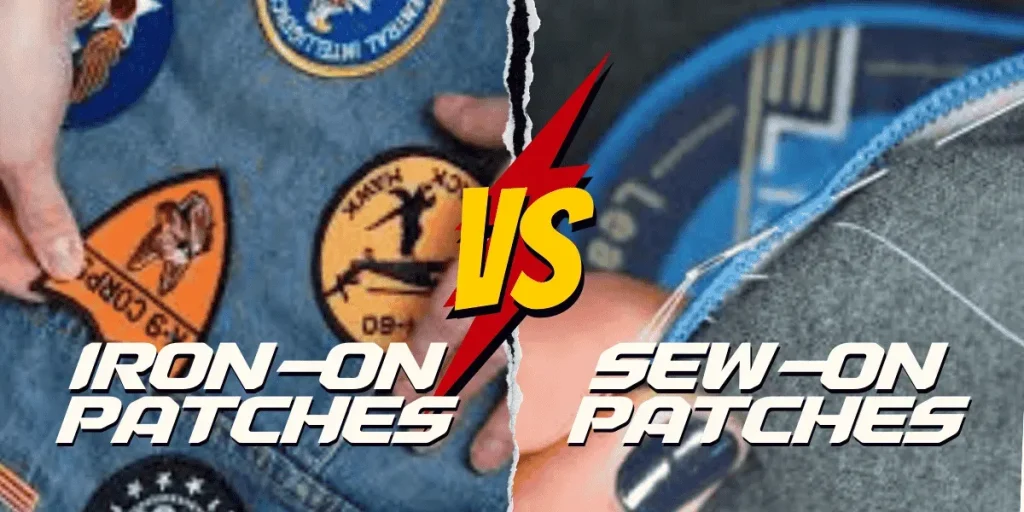
Iron-On vs Sew-On patches are two popular ways to customize clothing and gear, each offering a distinct blend of convenience, durability, and care requirements that can influence the finish, stiffness, and washability of your project. To choose wisely, it helps to understand how they work, how reliable the transfer methods are on different fabrics, and how the durability of patches can shift with heat, moisture, and laundering. For a quick fix, iron-on patches offer speed and a no-sew option, making them ideal for lightweight fabrics, logos, and on-the-go projects, especially when you want to avoid needles, seams, or special equipment. Patches that rely on stitching provide longevity and rugged reliability, performing well on denim, canvas, leather, or heavily washed items where stitching remains secure after many cycles, even under frequent folding or abrasion. By weighing the fabric type, laundering habits, potential exposure to high heat, and whether you want a reversible or low-profile finish, you can choose the method that keeps your design looking sharp longer while preserving the garment’s original texture.
From a broader perspective, you can describe iron-on and sew-on patches as adhesive-backed patches versus stitched emblems, two common strategies for personalizing apparel and gear. LSI-friendly terms such as heat-activated backing, patch transfer methods, and hand or machine sewing help search engines connect related topics like durability, fabric compatibility, and laundering care. For projects where speed matters, the heat-activated option with a backing is often favored, while for items that endure frequent washing, a sewn edge or zigzag reinforcement can extend life. Understanding these options in terms of fabric type, use case, and maintenance turns complex patching into a straightforward decision process.
1. Understanding Iron-On vs Sew-On: How They Work and When to Use Them
Iron-On patches rely on a heat-activated adhesive backing. When heat is applied with an iron or heat press, the glue becomes tacky and bonds the patch to the fabric. This method is popular for its speed, convenience, and the ability to apply patches without sewing, making it ideal for quick DIY fixes and for fabrics that are difficult to stitch through.
Sew-On patches use traditional stitching to secure the patch, offering a time-tested method that often provides superior durability, especially in high-wear areas or items that go through frequent laundering. While sewing can be more time-consuming, it creates a lasting attachment that handles friction and wash cycles better, aligning with long-term wear expectations.
2. Patch Transfer Methods: From Heat to Stitching – Which Path Delivers Longevity?
Patch transfer methods span from heat-activated adhesion to stitched edges, and many crafters use hybrids to balance speed with durability. An iron-on can be reinforced by a stitched edge, blending the best of both worlds for items that experience heavy use. This approach highlights how transfer methods influence overall durability of patches.
The longevity of patches depends on fabric type, washing routines, and the environment in which the garment lives. Heat-pressed or iron-on patches may perform exceptionally on smooth, non-porous fabrics but can struggle on porous or stretchy textiles, whereas sew-on patches typically maintain adhesion in a wider range of fabrics and washing conditions.
3. Durability of Patches: How Material, Wash, and Wear Impact Longevity
Durability of patches is affected by the backing material, patch weight, and edge finishing. Heavier patches with dense embroidery often require additional stitching to withstand repeated wear and high-heat drying, regardless of whether they started as iron-on or sew-on designs.
Frequent laundering and aggressive washing schedules can erode adhesives or loosen stitches over time. Sew-on patches generally resist these stresses better, while iron-on patches may need periodic reinforcement after several laundry cycles to maintain a secure bond.
4. Choosing Based on Fabric Type: Lightweight, Heavy, and Stretch Fabrics—What Works Best?
Lightweight fabrics such as silk, satin, or fine knits can be more challenging for iron-on patches due to heat sensitivity. Sew-on patches are often a safer choice for these materials, reducing the risk of heat damage and ensuring a durable finish.
On heavy fabrics like denim, canvas, or leather, sew-on patches usually offer superior long-term attachment. Iron-on patches can work for lighter denim or controlled heat applications, but adding stitching around the edges provides added security and resilience against wear.
5. Care and Maintenance: Extending the Life of Iron-On and Sew-On Patches
Care routines should protect both patch types. Turn garments inside out, use gentle cycles with cold water, and avoid harsh detergents that can degrade adhesives or thread. These practices help maintain the integrity of iron-on patches and keep sew-on patches from fraying at the edges.
Drying methods matter: air-drying is ideal for patches, but a low-heat dryer may be acceptable for iron-on patches if the garment care label allows. For longer life, reinforce patches with a light stitching edge or reapply with a heat-press follow-up when necessary.
6. Hybrid Strategies and Practical Tips for Real-World Projects
A hybrid approach—using heat to position the patch and then sewing around the edges—can deliver quick results with lasting durability. This method is especially useful on items that endure heavy wear, such as backpacks or outerwear, where both speed and edge security matter.
Practical tips for real-world projects include testing a small fabric area first, ensuring proper patch alignment, and using a protective cloth during heat application. Consider the garment’s care routine and environment to decide whether a fully iron-on, fully sew-on, or hybrid strategy best meets your durability and aesthetic goals.
Frequently Asked Questions
Iron-On vs Sew-On: Which patches are more durable for high-wear items?
In the Iron-On vs Sew-On comparison, sew-on patches generally offer greater durability, especially on items washed often or exposed to friction. Iron-on patches can be quick and convenient, but their heat-activated adhesive may loosen on porous fabrics or after repeated laundering. For best longevity, choose sew-on patches for denim, canvas, leather, and stretch fabrics, and consider reinforcing iron-on patches with stitching on heavier fabrics.
Iron-On vs Sew-On: how do patch transfer methods differ?
Patch transfer methods for Iron-On patches rely on heat-activated glue, while Sew-On patches secure with stitching. A hybrid approach adds stitching around a heat-pressed patch for extra security. The right method depends on fabric type and washing frequency to maximize durability.
Can Iron-On patches withstand frequent washing as well as Sew-On patches?
Not always. Iron-On patches can lose adhesion with repeated washing or high heat, especially on porous or stretchy fabrics. Sew-On patches tend to hold up better in frequent laundering, making them preferable for garments that see lots of wear.
Which fabrics are best suited for Iron-On patches versus Sew-On patches?
For light fabrics, iron-on patches risk heat damage and may peel; sew-on patches work well on most fabrics including denim, canvas, leather, and stretchy blends. Heavy fabrics and rough wear favor sew-on durability; iron-on can be used on lightweight fabrics if heat is carefully controlled.
What care tips maximize the durability of Iron-On vs Sew-On patches?
Follow care routines: turn garments inside out, use cold gentle cycles, and air-dry when possible. For iron-ons, avoid prolonged heat exposure and reapply with edge reinforcement if needed. For sew-ons, use secure stitches (backstitch, running stitch, or zigzag) and trim excess threads to extend life.
Is a hybrid approach worth it when choosing Iron-On vs Sew-On patches?
Yes, especially for valuable items or heavy wear. A patch with heat-activation plus sewing around the edge combines the speed of iron-on with the durability of stitching, aligning with patch transfer methods to improve longevity.
| Topic | Details |
|---|---|
| Iron-On patches: How they work | Heat-activated adhesive backing; applying heat with an iron or heat press activates the glue to bond the patch to fabric. |
| Iron-On: How to apply | Prepare fabric; pre-press to remove wrinkles; position patch; cover with a thin cloth; press with a hot iron for 30–60 seconds using steady heat; allow to cool completely; optional back-side press for extra security. |
| Iron-On: Pros | Speed and convenience; no sewing required; beginner-friendly; some designs are reversible. |
| Iron-On: Cons | Durability varies by fabric; can wear with repeated washing or heat; heavier patches may need stitching; risk of heat damage on delicate fabrics. |
| Sew-On patches: How they work | Traditional stitching secures the patch; generally more durable, especially in high-wear areas. |
| Sew-On: How to sew-on | Choose thread; select a suitable stitch (tight running stitch, backstitch, or appliqué); finish securely; for thicker patches or heavy fabrics, add a zigzag edge for extra durability. |
| Sew-On: Pros | High durability and resilience; broad fabric compatibility (denim, canvas, leather, stretchy blends); long-lasting with proper care. |
| Sew-On: Cons | Requires sewing skill and time; stitching may be visible; removal can leave holes or marks. |
| Durability comparison | Sew-On generally lasts longer with frequent washing and abrasion; Iron-On offers quick, convenient results but durability is more variable depending on fabric and care. |
| Fabric care considerations | Fabric type matters: light fabrics may resist ironing or suffer heat damage; denim/canvas benefit from sewing; stretch fabrics favor sew-on; frequent washers/dryers favor sew-on; avoid high heat with iron-ons. |
| Hybrid and care | Hybrid approaches (heat applied with subsequent stitching) balance speed and durability; follow care guidelines: gentle washing, air drying, and avoiding prolonged heat on patches. |
| Care and maintenance | Turn garments inside out; use cold water and mild detergent; air-dry when possible; if peeling occurs, reinforce with additional stitching or heat-pressed patch edge. |
| Quick decision guide | Choose iron-on for quick repairs on non-stretch fabrics or when you want a non-visible stitching look; choose sew-on for high-wear areas, heavy fabrics, or frequent laundering; consider hybrid for best of both. |
| Common myths | Iron-on patches can peel over time; sew-on patches always look messy; you must pick one method for all patches—mixing methods can yield better results depending on the garment. |
Summary
Iron-On vs Sew-On: This descriptive guide helps you decide between patch attachment methods by weighing durability, fabric compatibility, and care considerations. If speed matters, iron-on patches offer quick, convenient results, while sew-on patches provide long-lasting durability for high-wear items. Hybrid approaches can balance ease and reliability, letting you customize patches for backpacks, jackets, or sports jerseys. By applying the best practices for care and maintenance, your patches will stay secure and look sharp through repeated wear and washes.