
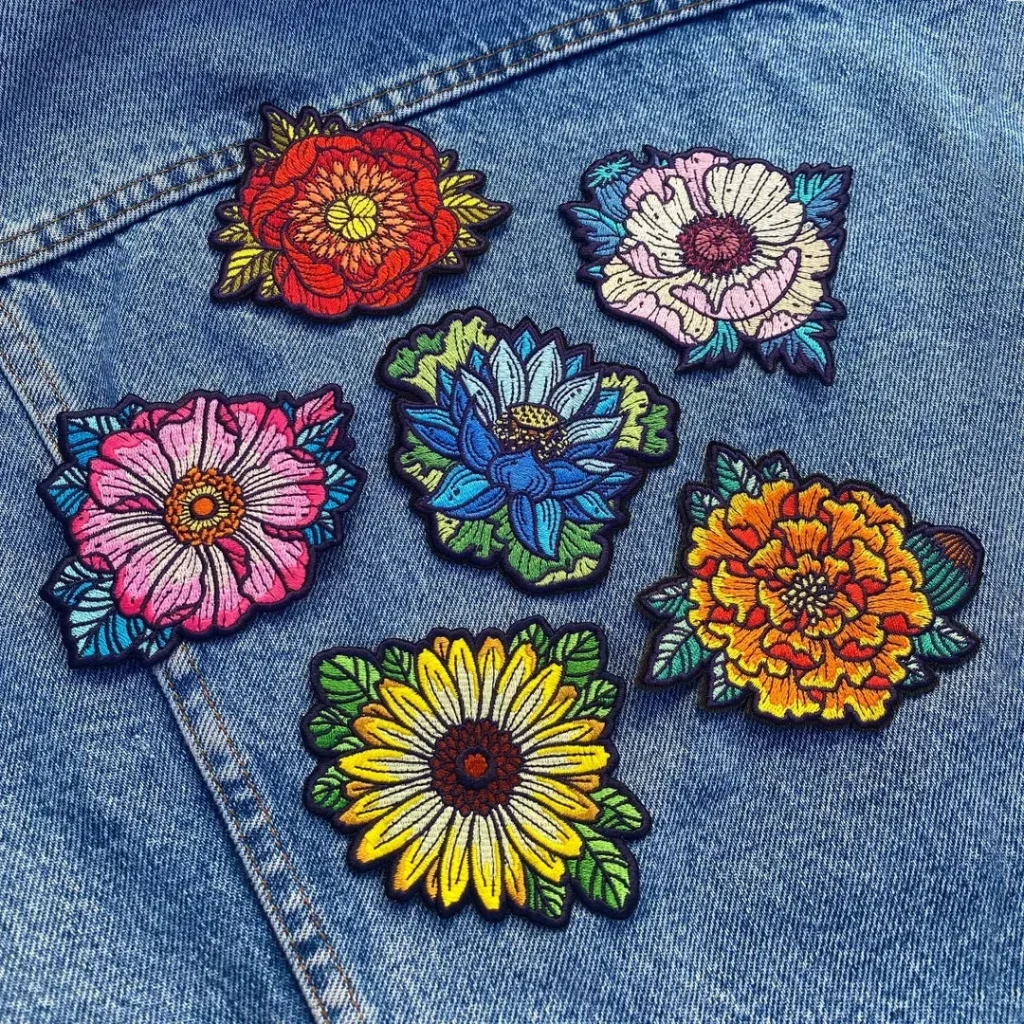
Iron-On Embroidered Patches offer a quick, mess-free way to personalize clothing, bags, and gear. These iron-on patches use a heat-activated adhesive backing that bonds with heat and pressure, making installation faster than sew-on options. For many projects, these patches provide an instant design upgrade while keeping the fabric surface clean and uncluttered. However, bond strength can vary by fabric type and care routine, so it’s helpful to know patch application tips for best results. This guide compares patch choices and offers practical tips to help you decide the best method for your project.
An established alternative relies on stitching instead of heat, often called stitch-on patches or sewn designs. Sewing patches creates a durable bond through thread and needlework, which generally outlasts frequent washing on tough fabrics. When planning where to place patches, consider fabric type and edge finishing, since knits, denim, and heavy canvas respond differently to stitches and maintenance. Whether you choose a quick heat-activated solution or a traditional sew-in approach, a thoughtful layout will maintain neat edges and long-lasting appeal.
Iron-On Embroidered Patches vs Sew-On Patches: Choosing the Right Patch Method for Your Project
When you’re deciding how to apply patches to clothing, bags, or gear, the choice between iron-on embroidered patches and sew-on embroidered patches can shape both the look and the durability of the finished piece. Iron-on patches offer quick customization with minimal tools, while sew-on options emphasize long-term security through stitching. Understanding these core differences helps you set realistic expectations for installation time, wear, and care.
Key questions to guide your decision include what fabric you’re working with, how often the item will be washed, and how permanent you want the design to be. For example, denim and canvas often tolerate both methods, but delicate knits or stretch fabrics may fare better with sew-on patches to avoid adhesive strain. By weighing fabric compatibility, anticipated laundering, and the intended life of the garment, you can choose the method that preserves the patch’s appearance and function.
Fabric Compatibility: How Cotton, Denim, Synthetics, and Knits Respond to Patch Types
Fabric compatibility plays a central role in patch performance. Cotton and denim fabrics generally handle both iron-on and sew-on patches well, with denim’s thickness often supporting a strong bond when heat is applied correctly. Wool or fleece, however, can show texture changes or flattening under heat, making a sewn solution more reliable for consistent appearance.
Nylon, polyester blends, and other synthetics pose unique challenges. Heat-activated adhesives might warp or create imperfect bonds on slick or stretchy fabrics, so patches designed for synthetics or a move to sew-on backing may yield better results. If you’re unsure, a small test patch on a similar fabric plus a few gentle wash cycles can reveal how the backing will perform over time.
Applying Iron-On Embroidered Patches: Patch Application Tips for Best Results
If you decide to use iron-on patches, preparation is key. Start with a clean, dry surface and remove lint so the adhesive can bond evenly. Pre-press the area to reduce wrinkles, then position the patch precisely before applying heat. A thin cotton cloth between the iron and patch helps distribute pressure and protects the patch’s edges.
Heat and pressure should be steady and consistent to avoid shifting or scorching. After the initial bond, flip the garment inside out and press from the back to reinforce the connection. Let the patch cool completely before handling, and follow wash guidelines that minimize heat exposure. If edges lift, re-press with a new cloth and a touch more heat to secure a lasting seal.
Sew-On Embroidered Patches: Durability, Washability, and Stitching Techniques
Sew-on patches excel in durability, especially for items that see frequent laundering or heavy use. Stitching creates a durable bond that withstands washing cycles and everyday wear, which is why many hobbyists and professionals favor sew-on for sleeves, backpacks, and workwear. Proper stitching also helps the patch resist edge fraying and curling over time.
To maximize longevity, choose the right thread and needle, and use dense, even stitches that seal the patch’s edges. Back-stitches at the start and end anchor the patch securely, and matching thread color to the patch underside or garment can yield a cleaner finish. A careful alignment and a consistent stitch line ensure the embroidery remains neat and durable through many uses.
Design and Aesthetics: Patch Size, Color, and Layering Considerations for Embroidered Patches
Beyond function, the look of embroidered patches matters. Larger patches create bold focal points, while smaller ones offer subtle accents. The patch’s embroidery density and edge finishing influence both the garment’s style and its durability—denser designs tend to resist fraying and wear better under stress.
Color choice and contrast should harmonize with the base fabric and other design elements. Layering different patches can produce dynamic visuals, but it requires careful planning to avoid overcrowding or misalignment. If branding or licensing is involved, prioritize high-quality embroidery and backing to convey a professional, lasting impression.
Care, Maintenance, and Hybrid Approaches for Maximizing Patch Longevity
Proper care extends the life of both iron-on and sew-on embroidered patches. Iron-on patches generally benefit from cold or warm washes and air drying to protect the adhesive, while sew-on patches tolerate regular washing with reduced risk of backing failure. Periodic inspection helps catch lifting edges or loose threads before issues grow.
A hybrid approach—using iron-on patches for quick, temporary motifs in some areas and sew-on patches for high-wear zones—can offer the best of both worlds. This strategy works well for jackets or bags that mix decorative accents with durable application. By combining patch types thoughtfully and following patch application tips and fabric compatibility considerations, you can maintain a cohesive look that lasts.
Frequently Asked Questions
What are Iron-On Embroidered Patches and when should I use them?
Iron-On Embroidered Patches have a heat-activated adhesive backing that bonds to fabric when pressed with an iron. They’re ideal for fast, temporary or prototype designs on flat fabrics, but their bond can vary with fabric type and laundering; testing on a small area helps assess fabric compatibility before full application.
Are iron-on patches as durable as sew-on patches for heavy-wear items?
Sew-On Patches generally offer superior durability for high-wear items since they’re stitched in place and withstand repeated washing. Iron-On patches are quick and convenient but can weaken with frequent laundering or high heat. For heavy-use projects, consider sew-on patches or a hybrid approach.
Can embroidered patches be applied to curved surfaces like hats and jackets, and how does that influence patch choice?
Yes, embroidered patches can be used on curved surfaces, but iron-On Embroidered Patches may lift on curves if heat is uneven. For curved areas, use careful heat application with a pressing cloth, or opt for sew-On patches for a more secure finish.
What are the best patch application tips for iron-on embroidered patches to ensure a strong bond?
Patch application tips: start with a clean, dry surface; pre-press to remove wrinkles; position precisely; apply heat with a pressing cloth for 15–20 seconds; press from the back to reinforce the bond; let cool completely and wash gently to preserve the adhesive.
Which fabrics are most compatible with iron-on embroidered patches vs sew-on patches?
Fabric compatibility varies: cotton and denim generally tolerate both methods well; nylon and polyester blends can warp with heat, so patches designed for synthetics or sew-on patches may perform better; wool, fleece, and stretch fabrics often fare best with sewing rather than iron-on.
How should I care for patches to maximize the life of iron-on embroidered patches and sewn patches?
Care: iron-on patches prefer gentle washing and air drying to protect the adhesive, while sew-on patches tolerate washing better but still benefit from cold or warm cycles and mild detergents. Regularly inspect for lifting or loose threads and re-press or re-stitch as needed to maintain durability.
| Topic | Iron-On Embroidered Patches | Sew-On Embroidered Patches |
|---|---|---|
| Definition},{ | Heat-activated adhesive backing; bonds to fabric with heat from an iron; the patch becomes part of the surface. | |
| Key distinctions},{ | Fast and convenient; bond can vary by fabric and care cycles. | |
| Pros | Fast application; minimal tools; great for quick customization; temporary designs; edges rarely show stitching. | Superior durability; reliable washability; works on most fabrics including knits and denim; edges stay neat with stitching. |
| Cons | Bond strength varies by fabric; heat can distort delicate materials; may peel with frequent washing or high heat; edges may lift on stretch fabrics. | Requires time to sew; may require a sewing setup; more visible on low-pile fabrics if not aligned carefully. |
| Best Uses / Project Fit | Quick one-off designs; prototyping; curved surfaces; quick updates. | High-wear areas; frequent laundering; durable on knits and denim; long-lasting. |
| Fabric Considerations | Cotton and denim are generally friendly to both methods; nylon/poly blends can warp or peel if not designed for synthetics; wool and fleece may flatten or alter texture with heat; stretch fabrics (jersey, spandex) are safer with sewing. | Typically works well across most fabrics, including knits; less affected by heat; better for fabrics that stretch or move; sewing provides robust holds on varying textures. |
| Maintenance & Care | Gentle washing; air dry; avoid high heat; re-press from the front if edges lift. | Machine wash with low heat; tumble dry low or air dry; stitching lasts longer with cold to warm washes. |
| Case Studies & Scenarios | DIY gifts and quick upgrades; kids’ clothing; costume pieces. | Uniforms/backpacks; work gear; jackets with high wear. |
| Hybrid Approach & Design Flexibility | Combining methods on the same item lets you balance speed and durability; plan accordingly. | Same idea; patch your way with both methods; plan order and finishes for a cohesive look. |
| Branding & Licensing | Ensure embroidery quality and backing reflect your brand values. | Ensure licensing compliance and design alignment; maintain professional standards. |
Summary
Iron-On Embroidered Patches offer a fast, convenient way to customize jackets, backpacks, and hats while maintaining a clean, bonded surface. This guide contrasts iron-on with sew-on patches, highlighting when each method shines and what to expect in terms of durability, care, and installation. For many projects, a hybrid approach—using iron-on where speed matters and sew-on for high-wear areas—delivers the best balance of convenience and longevity. By testing fabric compatibility, following proper heat settings, and considering your design goals, you can achieve a professional finish that withstands regular washing and wear.