
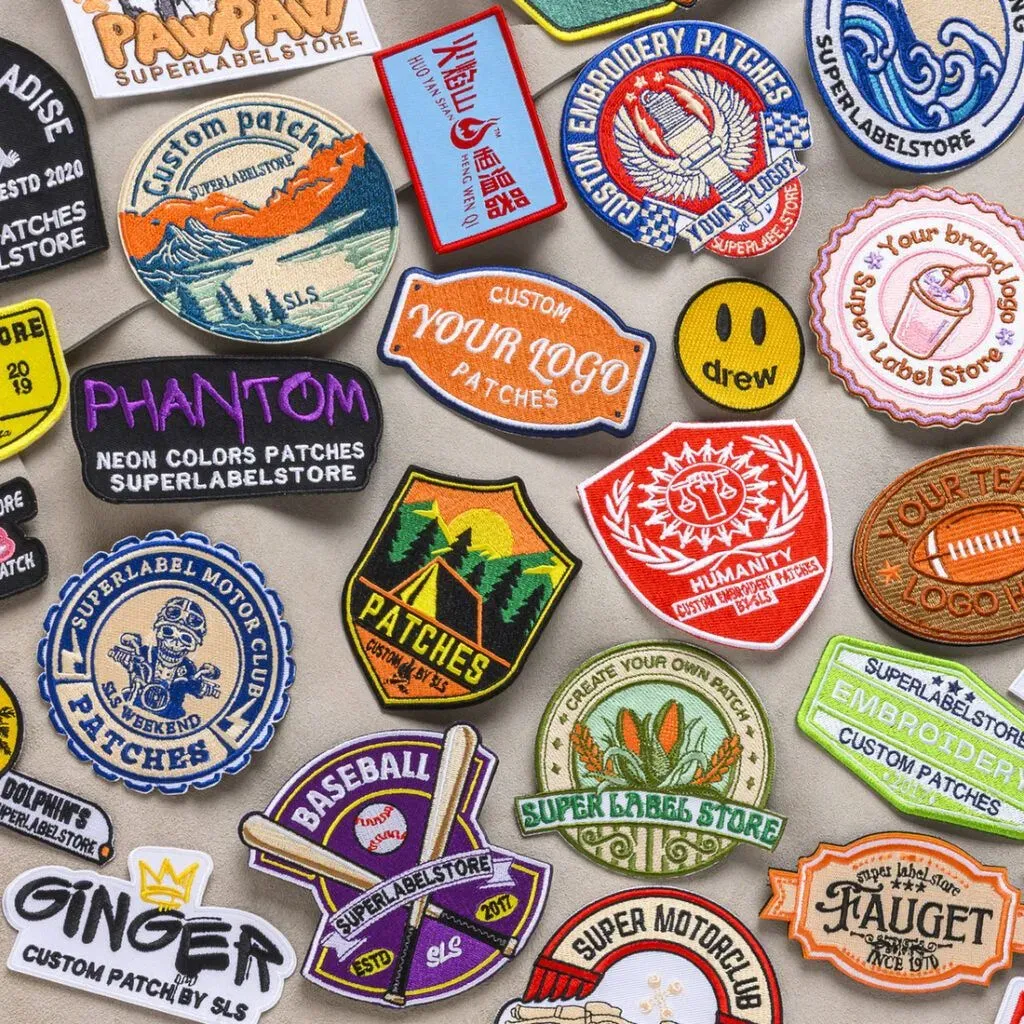
High-quality custom patches are more than just decorative add-ons; they are a scalable way to communicate your brand, team identity, or club ethos. When done well, patches become a recognizable symbol that people wear with pride. In this guide, you’ll discover practical, actionable tips for creating patches that reflect thoughtful custom patch design and stand up to daily wear. You’ll explore materials, the patch manufacturing process, quality checks, and how to choose a trusted custom patch service to turn your concept into a durable, vibrant reality. From embroidered patches and edge finishing to fabric patches that wear well, this overview helps you craft patches that reinforce your brand with every wear.
Beyond the exact phrase, this concept can also be described as premium insignias or embroidered emblems crafted to protect a brand’s visual identity. In practice, many teams and companies rely on badges, stitched emblems, or fabric patches that stand up to repeated wear. When planning production, think in terms of the embroidery workflow, backing options, and attachment methods, all guided by a solid quality assurance plan. A clear brief, reliable partners, and transparent proofs help turn a concept into a scalable patch program from concept to distribution. By embracing related ideas such as durable branding, colorfast embroidery, and versatile patching options, you set the stage for consistent, high-impact results.
Why high-quality custom patches elevate your brand
High-quality custom patches are more than decoration; they carry your brand, team identity, or club ethos into every garment and accessory. When craftsmanship is prioritized, patches become durable symbols that people wear with pride, wash after wash, and show to others as markers of what your organization stands for.
Choosing patches that stand up to daily wear reinforces professionalism and consistency across uniforms, merchandise, and events. A well-executed patch design, premium embroidery finish, and sturdy backing can boost morale, improve recognition, and create lasting impressions that extend beyond the initial purchase.
Mastering custom patch design: from concept to legible embroidery
Effective patch design starts with a clear concept and a detailed brief that translates into a precise custom patch design. This stage defines shapes, text, and color usage so the embroidery can faithfully capture the logo and remain legible at the intended size.
Digitizing decisions — stitch type, density, underlay, and color stops — shape the final look. Whether you choose embroidered patches for rich texture or woven patches for fine detail, ensure the file is optimized for legibility and brand accuracy across sizes.
Choosing between embroidered patches and fabric patches for performance and look
Embroidered patches offer bold texture and depth, while fabric patches provide weight and a different surface feel. Understanding the trade-offs helps you decide which approach best suits your logo and wearing conditions.
Consider usage context, laundering, and apparel types to determine whether embroidered patches or fabric patches will endure the long term, while keeping color fidelity consistent with your brand palette.
Understanding the patch manufacturing process for consistent results
Understanding the patch manufacturing process begins with a precise design brief, color references, and artwork that the factory can digitize into machine instructions. Clear communication at this stage speeds up digitizing and reduces revisions.
From prototyping to color matching, material preparation, and the final production run, the patch manufacturing process must incorporate inline quality checks and post-production QC to ensure you receive consistent, batch-to-batch results.
Partnering with a trusted custom patch service for scalable production
Partnering with a trusted custom patch service can make scalable production achievable, especially for large orders or ongoing programs. A reliable partner brings expertise in choosing appropriate patch types, backing options, and finishes that withstand daily wear.
Evaluate potential providers based on samples, MOQs, lead times, communication quality, and certifications, so you can rely on steady delivery of patches that meet your standards and brand requirements.
Practical tips for materials, backing, and finishing on fabric patches
Materials choice is foundational: cotton twill, felt, and other fabrics define weight, drape, and wash behavior for fabric patches. Selecting the right base affects how the patch wears and how it holds color over time.
Backing options (iron-on, sew-on, Velcro), edge finishing, and coatings influence wear, attachment, and longevity; plan color matching and size carefully to avoid surprises after production and to ensure a cohesive look across your entire patch program.
Frequently Asked Questions
What defines high-quality custom patches, and how does the custom patch design influence overall quality?
High-quality custom patches start with a precise design brief that guides embroidery density, legibility, color management, and edge finishing. A strong custom patch design ensures clean line work, readable text, balanced stitch coverage, and color alignment with your brand palette, then pairs with durable materials and a sturdy backing to withstand washing and wear.
For high-quality custom patches, how do embroidered patches compare to other options in durability and appearance?
Embroidered patches offer rich texture and bold silhouettes, making them ideal for strong logos, while woven patches show finer detail with a sleeker footprint. Both can be high quality when digitizing is accurate and stitching density is balanced, with the choice depending on logo complexity and intended wear.
What is the patch manufacturing process for high-quality custom patches from concept to delivery?
The process typically follows design brief, digitizing, prototyping, color matching, material prep, production run with in-line QA, and packaging/delivery. Each stage should include clear approvals and quality checks to ensure the final patches meet brand standards and durability expectations.
What should I consider when choosing fabric patches for high-quality custom patches?
Fabric patches require selecting a base material (like cotton twill or felt), weight and texture suitable for the application, and robust edge finishing. Also decide on backing (iron-on, sew-on, or Velcro) based on wear, washing, and how the patches will be attached.
How can I ensure color consistency across lots when producing high-quality custom patches?
Use Pantone references or precise color values, request color proofs, and perform color matching across lots. Standardize the digitizing and thread brand, and conduct colorfastness testing to maintain consistency through washing and multiple production runs.
What should I look for in a custom patch service to guarantee high-quality patches?
Seek experience with your patch type (embroidered patches or fabric patches), availability of physical samples or digital proofs, clear lead times and MOQs, proactive communication, and strong QA controls or certifications. A reliable custom patch service should provide in-line quality checks and post-production QC to ensure consistency with your brief.
| Aspect | Key Points |
|---|---|
| Value of high-quality patches | Quality patches convey professionalism, strengthen brand impression, boost team morale, and create lasting wearability. Durability and finish matter for daily wear and washing. |
| Design fundamentals | Shape and size matter (round, shield, oval, or custom). Choose embroidered vs woven based on logo complexity; manage embroidery density for durability and legibility; use precise color management (Pantone); ensure legible text; finish edges (e.g., Merrow); decide backing (iron-on, sew-on, Velcro) early. |
| Materials and production | Fabric patches vs embroidered patches; fabric options (cotton twill, felt, blends); backing types and their trade-offs; use high-quality threads; consider finish/coating options like overglaze or resin to seal embroidery. |
| Manufacturing process | Seven-stage flow: design brief, digitizing, prototyping, color matching/proofing, material prep, production run with in-line QC, and packaging/delivery. |
| Quality checks | Stitch quality and edge finish, colorfastness and wash resistance, adhesive durability (for iron-on), backing strength, wash tests, and size/shape accuracy. |
| Choosing a partner | Look for experience with your patch type, sample availability, clear lead times and MOQs, strong communication, and certifications/quality controls. |
| Practical tips | Prepare a detailed design brief with Pantone references, select backing early, request a solid prototype, set a realistic timeline, budget for revisions, and plan packaging/labeling for distribution. |
| Common mistakes | Overcomplicating with too many colors or heavy embroidery, skipping professional digitizing, neglecting wash tests/colorfastness, and choosing based on price alone without QA. |