
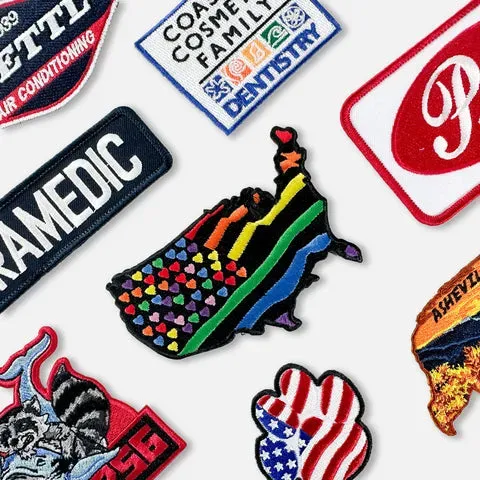
Embroidered patches have evolved from simple logos stitched by hobbyists into a dynamic fashion staple. Today, crafters, designers, and fans of DIY fashion patches use them to personalize jackets, backpacks, denim, hats, and even sneakers. Whether you reach for iron-on patches for quick, fuss-free customization or sew-on patches for long-lasting durability, patches offer a versatile way to express style. This introductory guide will show you how to choose, apply, care for, and design custom patches, with patch placement ideas to help you plan layouts that elevate any wardrobe. By blending practical tips with creative ideas, you’ll see how patches can transform old garments into wearable art.
Beyond simple logos, these fabric embellishments—often called fabric appliqués or embroidered badges—bring texture and personality to garments. Designers refer to them as fabric appliqués, textile emblems, or stitched patches, each offering different textures and attachment options. They serve as a versatile tool for personal branding, color story, and upcycling, letting you revive weathered pieces with a fresh narrative. Whether you patch a denim jacket, a backpack, or sneakers, these adornments act as wearable art that communicates style without saying a word. Understanding variations in backing, stitching, and care helps you plan where and how to place appliqués for the most impact.
1) Choosing the Right Patch for Your Project: Iron-On, Sew-On, and Custom Patches
Selecting the right patch starts with the fabric and the intended wear. For quick, no-fuss updates, iron-on patches offer an instant boost to jackets, backpacks, denim, and hats, letting you experiment with DIY fashion patches without sewing skills. But the adhesive may weaken after repeated washing or exposure to high heat, making sew-on patches a more durable option on fabrics that endure frequent laundering.
As you plan a look, consider the design language and scale of your patches. Custom patches let you curate a cohesive story across a garment, while a mix of iron-on patches for quick accents and sew-on patches for longevity can create a layered, personalized aesthetic. When placing patches, think about patch placement ideas that balance color, texture, and focal points across sleeves, pockets, and hems.
2) Embroidered Patches Essentials: Materials, Backings, and Application Methods
Embroidered patches are small fabric shapes enriched with textured stitching, often backed by heat-activated adhesive or stitching. Understanding the backing helps determine whether an iron-on patch or sew-on patch is best for your project, as each method affects fabric compatibility, durability, and finish.
To assemble a thoughtful collection of embroidered patches, gather designs that reflect your style and color palette. For iron-on patches, have a heatable surface ready, plus a pressing cloth or parchment paper to protect fabrics. For sew-on patches, stock up on sharp needles, sturdy thread, and a sewing machine if you want speed, ensuring your custom patches stay secure through everyday wear.
3) Iron-On Patches vs Sew-On Patches: Pros, Cons, and Best Use Cases
Iron-on patches shine when you want speed and ease, making them ideal for beginners or quick wardrobe refreshes. They’re particularly convenient for experimenting with DIY fashion patches on casual fabrics like denim and canvas, where the heat-activated adhesive bonds cleanly without stitching.
Sew-on patches excel in durability and cross-fabric compatibility. They tend to outperform iron-ons in heavily washed or workwear contexts, and you can reinforce them with hidden stitches for extra resilience. For projects that demand long-term wear or frequent washing, a sew-on approach with careful placement ideas often yields the most reliable results.
4) Design and Placement Strategies: Patch Placement Ideas for a Cohesive Look
A well-planned layout helps patches tell a story rather than appear random. Start by laying patches on a flat surface to audition alignment, grouping by color family or theme to build visual harmony. Patch placement ideas such as a central focal patch with smaller accents radiating outward can guide the eye and prevent overcrowding on the garment.
Consider garment contours when placing patches. Patches along seams, pockets, or the crown of a cap create dynamic lines, while multiple small patches can form a graphic collage on a jacket or backpack. By coordinating shapes, sizes, and motifs, you can craft a cohesive collection of custom patches that looks intentional and polished.
5) DIY Project Ideas: Creative Ways to Use Custom Patches on Everyday Wear
Custom patches open vast possibilities for personal expression. Build a themed capsule wardrobe around a hobby or color palette and swap patches on a denim jacket to refresh the look without buying new clothes. This approach leverages the versatility of DIY fashion patches and keeps your style fresh with minimal investment.
You can also use patches to transform older items. Replace faded logos on bags or hats with bold embroidered designs, create monograms for gear, or assemble a story across a backpack with a mix of patch types. Exploring mix-and-match layouts and patch placement ideas adds depth, while keeping wearability and practicality in mind.
6) Care, Durability, and Maintenance: Keeping Patches Secure Through Washes and Wear
Maintaining patch integrity requires tailored care. Iron-on patches often benefit from gentler wash cycles and turning garments inside out to minimize heat exposure, preserving the adhesive and embroidery. If you notice any edge lift, re-pressing with appropriate heat can restore adhesion without harming the fabric.
Sew-on patches tolerate more aggressive wear and washing but still benefit from careful handling. When in doubt, test a small area on scrap fabric or reinforce the patch edges with additional stitching on the back. General maintenance—avoiding direct heat on embroidered threads and storing garments away from intense sunlight—helps keep your patches looking sharp and durable for the long haul.
Frequently Asked Questions
What are embroidered patches and how do iron-on patches differ from sew-on patches?
Embroidered patches are small fabric shapes with stitched designs that attach to clothing. Iron-on patches use a heat-activated backing for quick attachment, while sew-on patches rely on stitching for durability. Iron-ons are fast and beginner-friendly but can peel over time; sew-ons last longer and work on more fabrics but require sewing skills.
How should I choose between iron-on patches, sew-on patches, or custom patches for my DIY fashion patches project?
Consider fabric type and how often the garment is washed. Denim or canvas tends to hold patches well; delicate knits may benefit from sew-on patches or reinforced backing. Iron-on patches are ideal for quick customization and easy changes, while sew-on or repair-ready patches offer longevity. For a mixed look, blend iron-on patches with sew-on patches and experiment with patch placement ideas.
What are the essential steps to apply embroidered patches to a jacket using iron-on patches or sew-on patches?
For iron-on patches: prep the garment, position patches, protect with a cloth, apply heat per patch backing, press firmly for 20–40 seconds, cool and re-press the back if needed. For sew-on patches: prep and mark, pin in place, sew around the edge with a suitable stitch, secure threads, and press gently from the inside to set the embroidery. Always test first on a scrap fabric.
How should I care for embroidered patches to maximize their durability when used on clothes?
Iron-on patches tolerate cooler washes and turning the garment inside out to protect the adhesive; avoid high heat in dryers. Sew-on patches generally withstand more wash cycles but should be washed with care to prevent seam stress. In all cases, avoid ironing directly on embroidery threads and air-dry when possible.
How can I design a cohesive collection of custom patches for different garments using patch placement ideas?
Start with a unified color palette and theme for your custom patches. Vary patch size and density, and lay out designs on a flat surface to plan placement. Use a central focal patch with smaller accents and apply consistent spacing to jackets, backpacks, hats, and shoes for a cohesive look.
What common issues with embroidered patches occur after washing, and how can I troubleshoot peeling, misalignment, or fading?
Peeling after washing can often be addressed by re-pressing with heat or resewing edges for sew-on patches. Misalignment may occur if patches shift; reinforce the back with extra stitches and re-press. Fading can be mitigated by choosing colorfast threads and avoiding prolonged direct sunlight; always test a patch on a scrap fabric before final application.
| Aspect | Key Points |
|---|---|
| Introduction | Embroidered patches have moved from hobbyist logos to a fashion staple; today, patches personalize jackets, backpacks, denim, hats, and sneakers. Options include iron-on for quick, fuss-free customization and sew-on for durability; patches help express style and extend garment life. This guide covers choosing, applying, caring for, and designing patches to elevate any wardrobe with a personal aesthetic. |
| What Are Embroidered Patches | Embroidered patches are small fabric shapes with embroidered designs, often backed with adhesive or stitching to attach them to fabric. Embroidery adds texture and color that printed patches cannot replicate. There are two common application methods: iron-on patches (heat-activated adhesive) and sew-on patches (stitches). |
| Iron-On Patches: Pros | Pros: Fast and convenient; no sewing required for basic application; beginner-friendly. |
| Iron-On Patches: Cons | Cons: Adhesive may degrade with frequent washing or high heat; not ideal for all fabrics; can peel if applied incorrectly. |
| Sew-On Patches: Pros | Pros: Durable; more universal across fabrics; longer-lasting with frequent wash cycles; can be repaired if snagged. |
| Sew-On Patches: Cons | Cons: Requires basic sewing skills and equipment; takes more time to apply. |
| Choosing the Right Patch for Your Project | Before purchasing patches, consider fabric type, garment use, and the look you want. Dense textiles like denim, canvas, or thick twill hold patches well, while delicate knits or synthetics may require careful placement or backing. Think about size, shape, and color—do you want a cohesive collection of patches or bold, stand-alone statements? For DIY fashion enthusiasts, mixing iron-on patches with sew-on patches on different areas of a single garment can create a visually engaging, layered effect. |
| Materials and Tools You’ll Need | Patches: Choose designs that reflect your personality or brand. Consider color palettes that complement the garment. For iron-on patches: a household iron, a pressing cloth or parchment paper, and a flat, heat-safe surface. For sew-on patches: a sharp needle, strong thread (polyester or cotton), and a sewing machine (optional for speed). Scissors, measuring tape, chalk or fabric marker for placement, and a small ruler for alignment. |
| Step-by-Step Guide: Iron-On Patches | 1) Prep the garment: Wash and dry the item to remove sizing and shrinkage. Iron to remove wrinkles so patches lay flat. 2) Position: Place patches on the fabric in the desired arrangement. Use pins or fabric tape to hold them in place. 3) Protect the surface: Use a pressing cloth or parchment paper to protect the patch and fabric. 4) Apply heat: Set the iron to the recommended heat for the patch backing (usually medium-high). Press firmly over the patch for 20–40 seconds. Avoid wiggling the iron, which can loosen the adhesive. 5) Check adhesion: Allow to cool, then gently lift an edge to confirm bond. If needed, reapply heat for another 10–15 seconds. 6) Final set: Turn the garment inside out and press the back side for 10–15 seconds to reinforce adhesion. Let cool completely before washing. Common pitfalls include applying heat for too short a time, not protecting fabrics, or choosing patches with weak adhesives. For best results, test on a scrap fabric first or use patches with strong, fabric-specific heat adhesives. |
| Step-by-Step Guide: Sew-On Patches | 1) Prep the fabric and patch: Pre-wash the garment and cut away any excess stabilizer from the patch backing if necessary. Position the patch in the exact spot you want. 2) Mark and pin: Use pins or fabric tape to hold the patch in place. Mark alignment with chalk if needed. 3) Start sewing: Use a needle appropriate for the fabric weight. A basic running stitch, backstitch, or a small, tight satin stitch around the edge works well for patches. If you’re using a sewing machine, choose a short stitch length and a zigzag or satin stitch that covers the patch edge. 4) Secure edges: Sew around the border, taking small, even stitches. Be mindful of fabric stretching as you sew; keep the patch flat. 5) Finish: Tie off threads securely on the inside. Clip excess thread and gently press the garment with a warm iron, ensuring you don’t flatten the embroidery. 6) Optional reinforcement: For heavy-wear areas, you can add a few hidden stitches on the backside for extra durability. Sew-on patches tend to outperform iron-ons on heavily washed or workwear fabrics, but they require basic sewing skills or access to a sewing machine. |
| Patch Design Ideas for Different Garments | – Denim jackets: Large back patches with coordinating smaller patches on the sleeves or pockets create a bold, statement look. – Backpacks and totes: Align patches along the bottom edge or create a diagonal parade from the bottom corner for dynamic movement. – Hats and beanies: Small, circular patches or a tiny emblem cluster can add a playful touch. – Sweatshirts and hoodies: Build a themed patch set around a color palette or motif (e.g., nature, music, travel). – Sneakers and shoes: Heat-pressed patches or sew-on patches on the tongue or sides can customize footwear with a personal touch. |
| Patch Placement Ideas | Start by laying out patches on a flat surface to visualize the arrangement. Group patches by color family, shape, or theme to create a cohesive look. For multi-patch designs, consider a central focal point (large patch) with smaller accents radiating outward. Remember to account for seams and edges on sleeves, collars, and hems so patches don’t sit on top of bulky folds when worn. |
| Design Considerations for a Cohesive Collection | – Color palette: Limit your color palette to two or three main colors for a unified appearance. – Theme consistency: Choose a motif that resonates with your personal style (e.g., vintage logos, wildlife, travel, or pop culture). – Patch density: Consider garment size and how crowded you want the surface to feel. A few well-placed patches can be more striking than many small ones. – Texture: Embroidery adds texture—pair glossy patches with matte fabrics for contrast or mix patch textures for depth. |
| Durability, Care, and Maintenance | – Iron-on patches: Avoid high-heat cycles in the wash; turning garments inside out can help preserve patches. Consider hand washing or gentle cycles for longevity. – Sew-on patches: These patches generally withstand more wash cycles and rough wear, but they benefit from avoiding aggressive agitation. – General tips: Dry patches away from direct heat and avoid ironing directly on embroidery threads. If you notice fraying, reinforce edges with a few extra stitches on the wrong side. |
| Troubleshooting Common Issues | – Patch peeling after washing: Re-press with heat for iron-on patches, or resew the edges for sew-on patches. – Misalignment after washing: Reinforce the back with extra stitching to prevent shifting and re-press if adhesive. – Fading colors: Use patches with colorfast threads and avoid prolonged exposure to direct sunlight. |
| Creative Project Ideas for DIY Fashion Patches | – Themed capsule wardrobes: Build a small set of embroidered patches around a season or hobby and swap them on a denim jacket to refresh the look. – Denim repair with personality: Cover worn edges with patches in a strategic pattern that extends the garment’s life while adding style. – Personal branding: Create custom patches with monograms or logos for bags, hats, or workwear. – Upcycling old clothing: Replace faded logos with a new patch story that reflects your current taste. |
Summary
Embroidered patches offer a versatile, durable way to customize clothing and accessories, turning jackets, backpacks, denim, hats, and sneakers into personalized statements. This guide highlights the essentials—from choosing and applying patches to caring for them and designing cohesive collections—showing how iron-on and sew-on options can suit different fabrics and wear patterns. By pairing thoughtful design with proper application and maintenance, embroidered patches help you extend the life of garments while showcasing your personal aesthetic.