
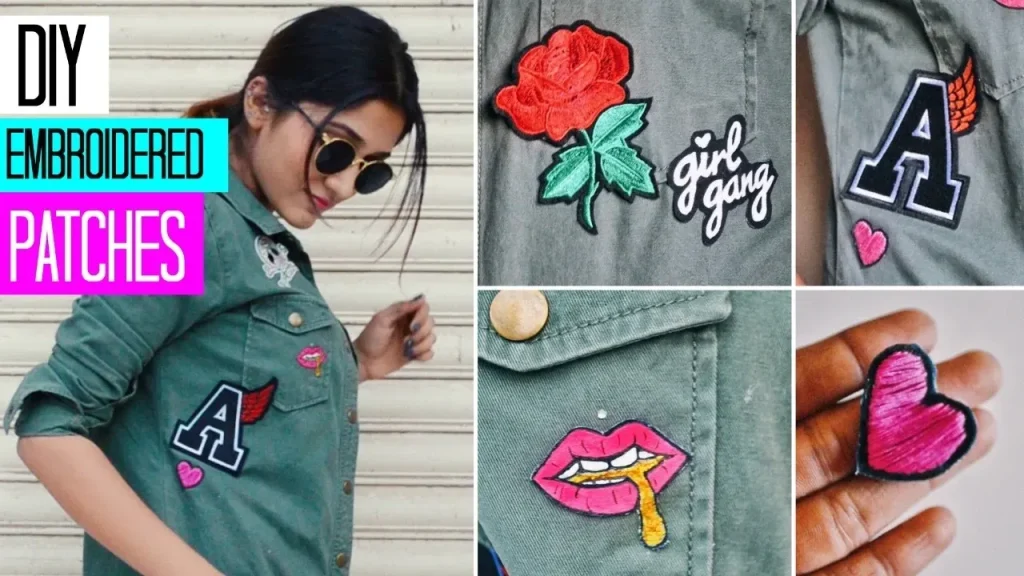
DIY custom patches are a vibrant way to personalize jackets, bags, and denim with personality. This beginner-friendly guide covers patch embroidery basics, showing you how to make patches at home with clear steps and practical tips. From selecting fabrics and stabilizers to choosing backings and finishes, you’ll learn the essentials, and you can follow an iron-on patch tutorial to see the method in action. You’ll discover DIY fabric patches you can craft yourself and how to bring your patch design ideas to life with durable stitches. With step-by-step techniques and friendly guidance, this introduction demonstrates that anyone can create professional-looking patches without expensive equipment.
If you’re new to fabric embellishments, think of these as handmade fabric patches that let you tell your story on clothing. This approach blends craft, style, and practicality, guiding you through wearable badges, fabric appliqués, and the idea of easy iron-on or sew-on options. For quick, beginner-friendly results, the iron-on backing provides a convenient starting point while you explore durable sew-on methods for long-lasting wear. Think of it as wearable art—embellishments, patches, and design ideas that fit on jackets, bags, or hats. As you practice, your confidence grows and your repertoire expands from simple shapes to cohesive themes that reflect your personality.
Mastering Patch Embroidery Basics: From Concept to Stitch
Patch embroidery basics lay the foundation for durable, vibrant patches. Start by selecting backing fabric, stabilizers, and the right needles, then choose stitches that suit your design. This approachable start helps you see how to make patches at home with confidence while keeping the process enjoyable.
Translate ideas into stitch techniques: satin stitches for filled areas, backstitches for outlines, and blanket stitches for tidy edge finishing. Understanding these patch embroidery basics makes it easier to create DIY fabric patches that look professional on jackets, bags, or hats, and it ties into patch design ideas for future projects.
Choosing Materials and Tools for DIY Fabric Patches
A clear planning phase guides your material choices: backing like felt, stabilizers, and fabrics that cooperate with embroidery or iron-on methods. For DIY fabric patches, selecting durable fabrics ensures longevity across wash cycles and compatibility with your garment.
Tools you’ll likely use—an embroidery hoop, sharp scissors, a measuring tape, and sturdy needles—set the stage for precise work. If you plan iron-on patches, include a heat activated backing, parchment paper, and a reliable iron, all of which help you learn how to make patches at home with consistent results.
Iron-On Patch Tutorial: Quick Solutions for Fast Results
The iron-on method offers a fast, low-effort route to fasten patches onto cotton blends or denim. In this iron-on patch tutorial, you learn to cut a stabilizer-backed patch, place it where you want on the garment, cover with a pressing cloth, and apply heat and pressure until set.
Careful heat control and washing guidance help preserve the adhesive. This path is ideal for beginners who want to explore how to make patches at home without sewing, while achieving bright colors and clean edges.
Sew-On Patches: Durable Attachments That Last
Sew-on patches rely on a secure edge finish, such as zigzag or blanket stitch, to withstand frequent washing. This method works well on heavier fabrics and complements patch embroidery basics because sturdy edges prevent fraying.
Manual sewing unlocks designs that might not suit heat-based methods. By pinning patches in place and stitching carefully, you can create professional results with precision, even on irregular shapes or textured fabrics.
DIY Custom Patches: Designing a Themed Patch Collection
Planning a themed collection begins with patch design ideas: selecting motifs, color palettes, and a cohesive story across multiple patches. When you embrace DIY custom patches, you can sketch concepts and test combinations until the concept feels deliberate.
Consider a practical workflow that starts with rough sketches, then moves to prototypes on scrap fabric. By applying the same stitching language across your patches, you build a recognizable signature style and a wearable mini-collection.
Care, Troubleshooting, and Maintenance for Patch Projects
Care and maintenance for patches depend on the attachment method. For iron-on items, follow gentle washing guidelines to protect adhesive, while embroidered patches benefit from turning the garment inside out and air-drying to preserve stitching.
Troubleshooting common issues such as frayed edges or misalignment is easier when you reinforce edges with a satin stitch or switch stabilizers. Practice on scrap fabric to build confidence in patch embroidery basics before applying patches to a final garment.
Frequently Asked Questions
What are the patch embroidery basics I should know when starting with DIY custom patches?
Core patch embroidery basics for DIY custom patches include choosing a stable backing and stabilizer, selecting fabrics suitable for the patch, using an embroidery hoop to keep fabric taut, and finishing edges with a blanket stitch or overcast stitch. Start with simple motifs and practice hand or machine stitching to build confidence in DIY custom patches.
How can I create DIY fabric patches at home using common tools?
To create DIY fabric patches at home, start with a clear concept and size, gather backing fabric, felt, an embroidery hoop, floss or thread, a needle, and a stabilizer. Plan your method (embroidered, iron on, or sew on), transfer your design, and finish with neat edges. This is the essence of DIY custom patches.
Is there an easy iron on patch tutorial for beginners to apply patches on backpacks or jackets?
Yes, a beginner friendly iron on patch tutorial can guide you through cutting a patch from stabilizer backed fabric, placing it on the garment, covering with a cloth, and applying heat with an iron. For DIY custom patches, follow heat and time guidelines, then wash carefully to set the adhesive.
What steps are involved in how to make patches at home from concept to finished patch?
How to make patches at home from concept to finished patch involves: sketching a concept, deciding size and shape, selecting materials, transferring the design, applying your chosen method, finishing edges, and allowing the patch to set before washing. This workflow supports DIY custom patches.
What patch design ideas work well for a cohesive collection of DIY custom patches?
Patch design ideas for a cohesive DIY custom patches collection include choosing a theme, using a shared color palette, employing bold outlines for visibility, varying patch sizes, and grouping patches on a garment or bag. Start with a few core motifs and expand.
What are best practices for care and maintenance of DIY custom patches to ensure durability?
Care and maintenance tips for DIY custom patches depend on attachment method: iron on patches need gentle washing and air drying; embroidered patches should be washed inside out on gentle cycle; sew on patches benefit from reinforced edges. Regular checks help you resecure loose threads and extend patch life.
| Section | Key Points |
|---|---|
| Overview | Patches express style and personality. DIY patches are beginner‑friendly, aiming for durable, vibrant, professional‑looking results without expensive gear. They tell a story through fabric and thread and suit jackets, bags, hats, or denim. |
| Core Methods | Three common approaches: embroidered patches (hand or machine embroidery), iron‑on patches (heat‑activated adhesive), and sew‑on patches (no adhesive). Each method varies in durability, care, and fabric compatibility. |
| Materials & Planning | Plan the patch concept, size, and finish. Choose backing, stabilizer, fabrics, and tools (backing fabrics, embroidery hoop, floss/thread, needles, scissors, stabilizer). For iron‑on, include heat‑activated backing and a safe pressing surface. |
| Design & Size | Start with a rough concept and a limited color palette. Typical beginner size is 2–3 inches. If adding text, scale for visible stitches. Decide attachment method early (iron‑on vs sewn) to influence design. |
| Step‑by‑Step Guide (Beginners) | Sketch concept, choose size/shape, gather materials, prepare backing, transfer design, start with basic stitches, follow iron‑on or sew‑on steps, finish edges, allow to set, and test before washing. Preserve scrap fabric for practice. |
| Troubleshooting & Tips | Reinforce frayed edges with tighter stitches or satin stitch. For iron‑ons, use a protective cloth and avoid high heat initially. Practice on scrap fabric to build confidence and test approaches. |
| Care & Maintenance | Follow care based on attachment method: iron‑on requires gentler washing; embroidered patches: turn inside out and air dry; sewn patches require reinforced edges and periodic re‑sewing. |
| Design Ideas & Inspiration | Themes like music, sports, nature, or pop culture; use bold outlines and contrasting colors; study examples, mix patches with a cohesive color palette, and build a themed collection. |
Summary
Conclusion: DIY custom patches offer a creative and practical way to personalize clothing and accessories. The project blends design and handiwork, scaling from simple beginner tasks to more ambitious pieces as skills grow. By mastering patch embroidery basics and understanding how to use both iron‑on and sew‑on patches, you can achieve durable, visually striking results. Use the ideas and steps above to build a personal patch repertoire, gathering materials, sketching concepts, and starting your patch making journey today.