
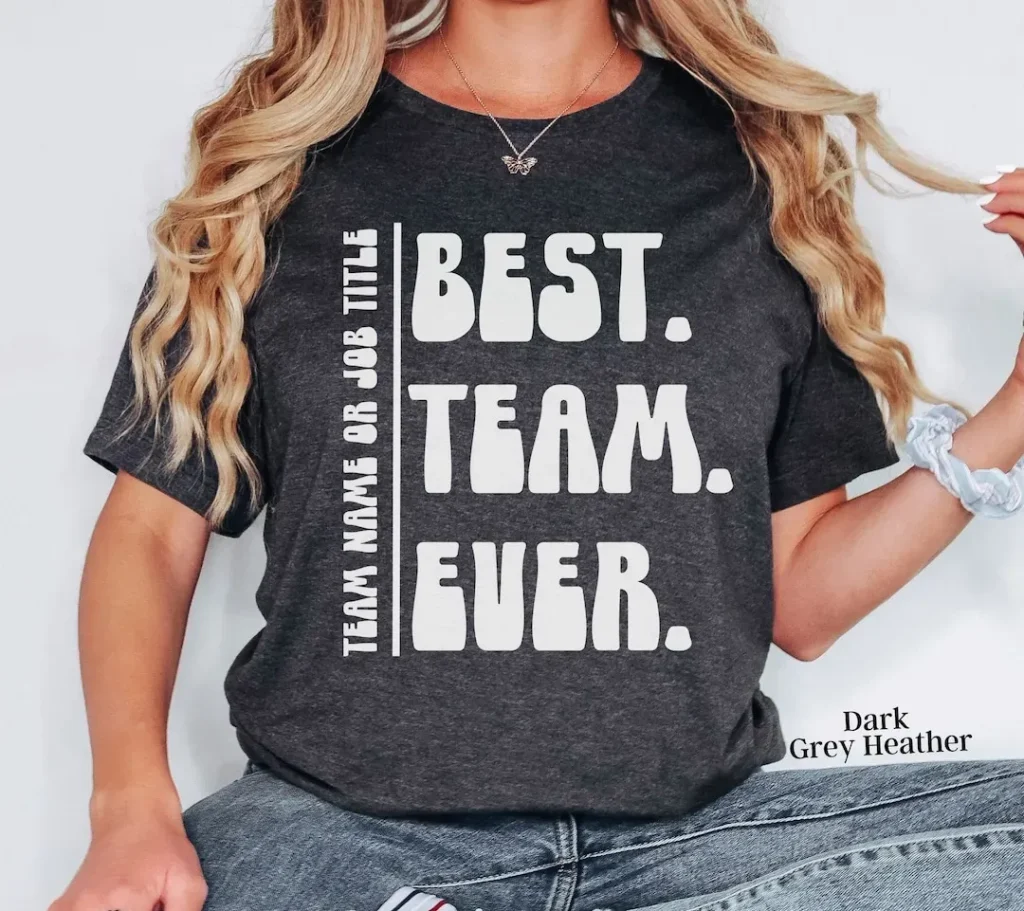
Custom shirts for teams are more than just clothing; they act as a strategic tool for building identity, boosting morale, and presenting a polished, unified image to fans, customers, peers, and competitors. When a group takes the field, the office, or campus in thoughtfully designed cohesive uniforms, the impression of teamwork and purpose is immediate. From amateur leagues to corporate teams and school clubs, custom team shirts help reinforce a shared story every time they wear their gear. A well-crafted design with consistent colors, logos, and typography creates a recognizable silhouette that fans and sponsors can easily identify, turning branding into everyday wear, including branded sports shirts. Ultimately, these shirts are more than apparel; they are a wearable statement of belonging that can lift performance and cohesion.
In a broader sense, this concept translates into a cohesive wardrobe for teams that conveys shared values and professional presence. Think of team uniforms, branded attire, and coordinated gear that align with logos and color palettes across events. Such custom team apparel serves as mobile branding, helping groups stand out in crowds, tournaments, and media coverage. By emphasizing consistent branding, comfortable materials, and inclusive sizing, organizations cultivate identity, pride, and loyalty among players, staff, and supporters.
Custom shirts for teams: Identity, Morale, and Cohesion
Custom shirts for teams go beyond mere apparel; they are strategic tools to shape identity, boost morale, and project a polished, unified presence to fans, sponsors, peers, and competitors. When a group steps onto a field, into a meeting room, or onto a campus in thoughtfully designed uniforms, the impression is immediate: cohesion, professionalism, and purpose.
By aligning colors, logos, and typography across every garment, organizations create a cohesive uniform that is instantly recognizable as part of a single brand. This consistency strengthens recognition among supporters, sponsors, and opponents and reinforces the idea that the team operates with intent and unity—whether on the field, in the classroom, or at a corporate event.
Designing Custom Shirts for Teams: From Brief to Branded Sports Shirts
Start with a design brief that clearly states goals, color constraints, and any sponsor requirements. This foundation guides decisions about logo placement, color blocking, typography, and customization details, ensuring the final product communicates the intended message and aligns with the brand voice. Framing the project around a strong brief helps maintain a professional look across all teams and levels.
Then explore options for logo integration, color accents, typography, and personalization (numbers, names, slogans) while keeping the overall look clean and legible across different sizes and viewing distances. Choosing the right printing method—screen printing, heat transfer, or dye-sublimation—helps balance volume, color complexity, and durability for custom team apparel and ensures consistent results across every piece.
Achieving Cohesive Uniforms: Color, Typography, and Placement
A strong cohesive uniforms strategy hinges on a thoughtful color scheme—typically 2–3 core colors—that reflect branding and perform under varied lighting. Predictable logo placement (left chest, sleeve, or back) reinforces recognition without crowding the design and ensures sponsors stay visible on branded sports shirts.
Typography should be legible from distance, so select a clean, readable typeface and apply it consistently across shirts and accessories. When color, typography, and logo placement align across the whole kit, the result is a unified, professional appearance that supports team identity and makes a lasting impression in games, meetings, and events.
Fabric, Comfort, and Performance in Team Uniforms
Fabric choice matters as much as any design detail. For athletic teams, moisture-wicking polyester blends keep players cooler and more comfortable during practice and competition, while non-athletic teams benefit from breathable blends that travel well and look sharp all day. Thoughtful fabric selection supports both performance and professional presentation in team uniforms.
Durability finishes—reinforced seams, snag resistance, and colorfast dyes—help uniforms endure frequent washing and wear, preserving the cohesive look season after season and supporting the long-term value of custom shirts for teams. Comfortable, reliable fabrics translate into better focus, performance, and morale.
Inclusive Sizing and Fit: Ensuring Equal Appearance Across All Members
Offer inclusive size ranges and clear charts so every team member can find a flattering, comfortable fit. A consistent sizing system across all shirts prevents mismatches that disrupt the visual cohesion of team uniforms and undermines confidence.
Gender-inclusive or adaptable fits, when applicable, ensure confidence and equality in appearance. When everyone wears a similar garment that fits well, morale and team spirit rise, reinforcing a sense of belonging and shared purpose.
Production, Lead Times, and ROI: Planning for Long-Term Brand Impact
Early planning is essential to accommodate design approvals, fabric choices, and production timelines. Create a clear brief, request proofs, confirm minimum order quantities, and map shipping to avoid delays that could disrupt activities and communicate a professional brand image.
Investing in cohesive uniforms yields tangible ROI through increased sponsor visibility, stronger identity at events, and durable apparel that can be reused across seasons. By planning carefully for future needs—additional training shirts or event-specific versions—you maximize the value of the initial investment in custom shirts for teams and preserve branding continuity.
Frequently Asked Questions
Why are custom shirts for teams important for building identity and cohesion in a group?
Custom shirts for teams create a recognizable identity through consistent colors, logos, and typography, making the group feel unified. Cohesive uniforms enhance on-field and on-site presentation, boost morale, and improve sponsor visibility by presenting a polished, professional image.
How do I choose the right fabric and printing method for custom shirts for teams?
For athletic teams, opt for moisture-wicking polyester blends; for non-athletic groups, breathable cotton blends work well. Printing methods like dye-sublimation, screen printing, or heat transfer affect durability and feel, so choose based on order size, color complexity, and long-term use.
In what ways can branding and logo placement on team uniforms improve sponsorship visibility?
Strategic logo placement (left chest, sleeves, back) and consistent branding across custom shirts for teams maximize sponsor exposure. A cohesive look with unified colors and typography helps sponsors recognize the brand quickly at events and in media.
What are best practices for sizing and fit to ensure inclusive and cohesive uniforms?
Offer inclusive sizing with clear size charts and consider gender-inclusive fits where applicable. Consistent fits prevent visual breaks in the group’s look, reinforcing team cohesion and confidence across all members.
What should be included in a design brief for custom shirts for teams?
Include goals, brand color constraints, logo usage guidelines, sponsor requirements, preferred fabrics, printing methods, and estimated quantities. A detailed brief helps ensure the final custom team apparel aligns with brand identity and logistical needs.
How does investing in high-quality custom shirts for teams impact morale, performance, and ROI?
High-quality custom shirts for teams boost pride and cohesion, improving morale and recruitment. Durable, well-branded uniforms extend lifespan, reduce replacements, and increase sponsor impressions, delivering measurable ROI over multiple seasons.
| Aspect | Key Points |
|---|---|
| Overview | Custom shirts for teams are a strategic tool to build identity, boost morale, and present a polished, unified image to fans, customers, peers, and competitors. They reinforce a shared story when team members wear thoughtfully designed apparel. |
| Why They Matter | Branding becomes effortless with consistent colors, logos, and typography that create a recognizable silhouette. Cohesive uniforms improve on-field communication and sponsor visibility; in corporate settings, they cultivate belonging and team pride. They act as mobile billboards for values, sponsorships, and mission statements, delivering a tangible lift in performance, perception, and loyalty. |
| Key Elements of Cohesive Uniforms | Color strategy (2–3 core colors); Branding placement (predictable positions); Typography (legible from a distance); Fabric and comfort (durable yet comfortable; moisture-wicking for sports); Fit and sizing (inclusive, consistent); Practical details (reinforced seams, easy-care finishes, sponsor-friendly placement). |
| Design Options & Best Practices | Start with a design brief covering goals, color constraints, and sponsor requirements. Logo integration decisions; Color blocking and accents; Typography choices; Customization details (numbers, names, slogans); Printing method options (screen, heat transfer, dye-sublimation). |
| Materials & Performance | Moisture-wicking polyester blends excel for athletic teams; breathable cotton blends suit casual or corporate settings. Consider hypoallergenic finishes and easy-care properties. Durability matters: reinforced seams, snag resistance, and colorfast dyes sustain a cohesive look wear after wear. |
| Sizing, Fit, Inclusivity | Inclusive sizing with detailed charts enables more participants to feel confident. A consistent sizing system and options for different body types (including gender-inclusive fits where applicable) improve overall presentation and team spirit. |
| Production, Lead Times, & Logistics | Plan early to accommodate design approvals and production. Steps include clear design briefs with sign-off, proofs, minimum order quantities, lead times, shipping, and future-proofing for additional needs. Ensure sponsor branding requirements and color permissions are accounted for. |
| Cost Considerations & ROI | ROI comes from sponsor visibility, improved morale and recruitment, durable garments reducing replacements, and reusability across seasons. Weigh per-shirt costs against lifespan, customization options, and sponsorship value; upfront investments can yield long-term benefits. |
| Case Study | A community soccer club adopts cohesive uniforms—two primary colors, crest on the left chest, sponsor logos on sleeves, moisture-wicking fabric, inclusive sizing, and coordinated color schemes for all garments—creating a consistent brand image that boosts sponsor retention and player pride. |
| Implementation Guide | Define goals; gather requirements; choose vendor and printing method; create design prototype; approve and produce; rollout and gather feedback; manage inventory for the season. |
Summary
Conclusion: Uniforms matter. When teams wear custom shirts that are designed with care, the result is more than clothing—it’s a disciplined, visible representation of the group’s identity. Cohesive uniforms with thoughtful branding, quality materials, and inclusive sizing help teams perform at their best while presenting a professional, unified face to the world. By prioritizing color, typography, logo placement, and fabric choice, organizations can create a durable, brand-forward wardrobe that supports team culture, sponsor relationships, and community pride. Whether outfitting a local youth league, a corporate team, or a school club, investing in custom shirts for teams strengthens identity, cohesion, and success.