
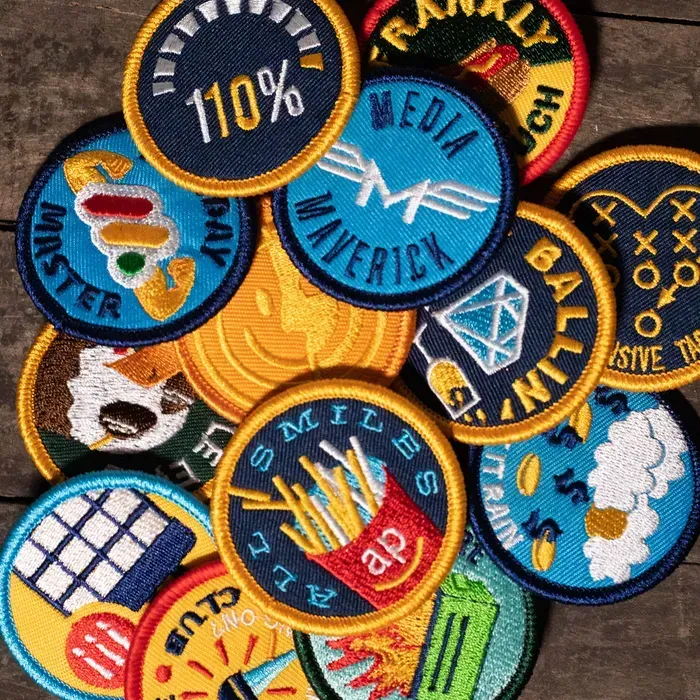
custom patches have exploded in popularity as a simple, affordable way to refresh outerwear and accessories without committing to new garments. When applied thoughtfully, patches can transform a backpack into a personal statement piece, a plain hat into a conversation starter, and denim pieces into durable, unique wardrobe accents. This guide explores creative application ideas across popular items, including patches for backpacks, patches for hats, denim patches, sew-on patches, and iron-on patches. It also covers practical tips for choosing patches, preparing fabrics, selecting the right application method, and maintaining patches for long wear. By the end, you will have a clear roadmap to design and apply patches that feel truly you, whether you are a casual crafter or a DIY enthusiast.
From a terminology perspective, these embellishments are fabric appliqués, badges, or embroidered emblems that personalize gear. Whether you favor heat-activated transfers, sew-on attachments, or hand-stitched accents, the goal remains durable decoration on bags, headwear, and denim. Think in terms of textile adornments such as decorative patches, fabric badges, and woven emblems that harmonize color, texture, and motif. By exploring these related concepts, you can plan placements and care with the same attention to durability and style described earlier.
Patch Types and Backings: Iron-On, Sew-On, Embroidered, and Woven
Understanding patch formats helps you pick the right option for each item. Iron-on patches are quick to apply on lighter fabrics like cotton hats and canvas backpacks, while sew-on patches excel on denim jackets and heavy gear. Embroidered and woven patches offer crisp detailing that withstands wear. When selecting patches for backpacks, hats, and denim, consider fabric type and backing to ensure compatibility.
Your choice should also factor in care and durability. For example, sew-on patches provide durability on high-wear areas, whereas iron-on patches are convenient for quick updates but may require reinforcement on sturdy fabrics. Testing patches on a small area or using stabilizers prevents puckering on backpacks and hats.
Custom Patches for Your Gear: Item-Specific Selections for Backpacks, Hats, and Denim
Custom patches let you tailor each item to your style. For a backpack, choose patches that complement the main color and balance with a focal patch in the center. For hats, size and curvature matter, so opt for flatter shapes that lay well on the crown and consider curved-edge embroidery. For denim, heavier patches with sturdy stitching create a durable look.
Think about the backing and attachment method per item. Denim accepts sew-on patches for maximum longevity; hats benefit from stable iron-on patches with low-profile backings; backpacks can handle a mix of sew-on and iron-on depending on space and washing frequency.
Application Techniques: Iron-On, Sew-On, and Glue Methods
Iron-on patches apply with heat and activate adhesive backing, making them ideal for quick updates on lightweight fabrics such as hats and canvas backpacks. For longer-lasting results, combine iron-on patches with stabilizers or sew along the edges.
Sew-on patches require stitching along edges; they’re best on denim patches and heavy fabrics where iron-on may fail over time. Glue-based methods exist but are generally less durable; for heavy-use items, a two-step approach often yields the strongest results.
Placement and Layout: Strategizing Patch Placement on Backpacks, Hats, and Denim
Plan composition for backpacks: a single focal patch on the front panel or a cluster of patches along the front pocket and straps. Hats require patches that sit well on curved surfaces, often front or side panels; for denim, align edges with seams for a cleaner finish.
Color harmonies and thread choices tie patches to fabric, and testing placements on scrap fabric can prevent misalignment. Consider symmetry or intentional asymmetry to suit your style.
Denim Patches: Patches for Denim and Jacket Attachments
Denim is forgiving and sturdy, making it ideal for a wide range of patches. Grid layouts or patchwork assemblies create bold visuals on jeans and jackets; layered patches should overlap slightly or align with natural seams.
Sew-on patches perform exceptionally well on denim due to the thick weave, while iron-on can be used in lighter-weight areas. Care includes washing inside-out and avoiding high heat to preserve patch adhesive.
Design and Care: Creative Ideas with Patches and Long-Lasting Maintenance
Experiment with focal patches, supporting patches, and mixed textures to express your personal style. Combine embroidered and woven patches, or loop metallic threads for a subtle sheen, ensuring your patches for backpacks, hats, and denim stay cohesive.
Care guidance is essential to longevity: wash inside-out, air-dry when possible, and re-sew edges if they begin to lift. A small maintenance routine keeps your patches vibrant across seasons.
Frequently Asked Questions
What are the main formats of custom patches and which fabrics are best for iron-on patches vs sew-on patches?
Custom patches come in several formats, including iron-on patches, sew-on patches, embroidered patches, and woven patches. Iron-on patches are quick to apply and work well on lightweight fabrics like cotton hats or canvas backpacks. Sew-on patches are more durable on heavier fabrics such as denim jackets and jeans. Embroidered or woven patches offer crisp detailing and good longevity on a range of fabrics. When choosing, consider fabric type, patch backing, and the look you want for patches for backpacks, patches for hats, or denim patches.
How should I choose patches for backpacks to balance durability and style when using patches for backpacks?
For backpacks, start with fabric compatibility (canvas or nylon is common). Look for patches with a backing suited to your attachment method, and pick sizes and shapes that fit the bag’s panels without adding bulk. Test patches on a small area first, align colors with thread choices if sewing, and plan placement for durability—front panels and high-contact areas often benefit from secure sew-on patches for long wear.
What are the best practices for applying patches to hats and dealing with curved surfaces using patches for hats?
Hats present curved surfaces, so choose patches for hats in flat, rounded, or shield shapes that contour well. Front panels or crown placements tend to look best, while patches on brims can distort with curvature. Stabilize the area, use a tight zigzag stitch that follows the patch contour, and avoid overly thick patches for cap fabrics to prevent distortion.
How should I care for denim patches to keep them looking new?
Care for denim patches by washing cold and inside-out, avoiding high heat in dryers. Sew-on patches tolerate frequent washing on denim better than iron-on variants, but either type benefits from gentle handling. Use a stabilizer or thin interfacing to prevent fraying at the edges, and re-sew edges if you notice loosening to maintain denim patches’ durability.
Can I combine iron-on patches with sew-on patches on a single item, and how can I maximize longevity?|
Yes, you can combine iron-on patches with sew-on patches to optimize quick results with long-lasting durability. On heavy fabrics, use a two-step approach: hem edges with a thin stabilizer on the reverse side and then apply the patch. For maximum longevity, sew around the edges of patches for a secure hold and reserve heat-activated patches for less stressed areas.
What’s a simple plan to design a cohesive look with patches for backpacks, hats, and denim patches?
Start with a focal patch and build a balanced layout around it. Choose a cohesive color palette and mix patch types (embroidered, woven, iron-on, sew-on) to add texture. For backpacks, place patches on the front panel or pockets; for hats, focus on the crown area; for denim patches, consider a grid or patchwork layout. Test placements on scrap fabric first and keep a design kit with patches, stabilizers, and matching threads to stay organized.
| Aspect | Key Points |
|---|---|
| Patch formats/types | Iron-on, sew-on, embroidered/woven patches. Iron-on is quick for lightweight fabrics; sew-on offers durability on denim/heavy fabrics; embroidered/woven patches provide crisp detail and longevity. Check backing and fabric compatibility. |
| Choosing patches | Consider fabric type, backing, size/shape for hats, and durability for denim. Test patches on inconspicuous areas or use stabilizers to prevent puckering. |
| Application methods | Iron-on uses heat to activate adhesive backing; sew-on requires stitching for durability; glue-based methods are less durable. For heavy fabrics, try a two-step approach: stabilize edges with a thin backing, then apply the patch. A combination approach (sew edges + heat-activation in lighter areas) can maximize longevity. |
| Placement ideas (by item) | Backpacks: focal patch or small cluster; hats: crown/side placements; denim: grid or patchwork layouts. Place patches on high-contact areas for durability and visual balance. |
| Care & maintenance | Wash iron-on patches inside-out in cold water; sew-on patches on gentle cycles; air dry; avoid high heat that can weaken adhesives. Re-sew edges if lifting and consider stabilizers to prevent fraying. |
| Troubleshooting | Curling edges, poor adhesion, or detachment. Remedy with gentler heat, re-press, and resew edges. Ensure fabric is clean and patch backing is activated. Use stabilizers for mixed fabrics and test on scraps before large applications. |
| Design ideas | Use a focal patch with supporting patches, mix embroidered with woven textures, and harmonize colors. Create a design kit to plan layouts for multiple items. |
Summary
Custom patches offer a straightforward route to personalization that scales from a small accessory update to a full wardrobe overhaul. Whether revamping a backpack, updating a favorite hat, or giving new life to denim, the key is planning, testing, and practice. Start with thoughtful patch placement, select reliable patch types, and test on scrap fabric before committing to the final piece. Embrace patch design ideas to express your unique style, and maintain patches to keep them vibrant through seasons of wear. Custom patches empower you to tell your story through backpacks, hats, and denim.