
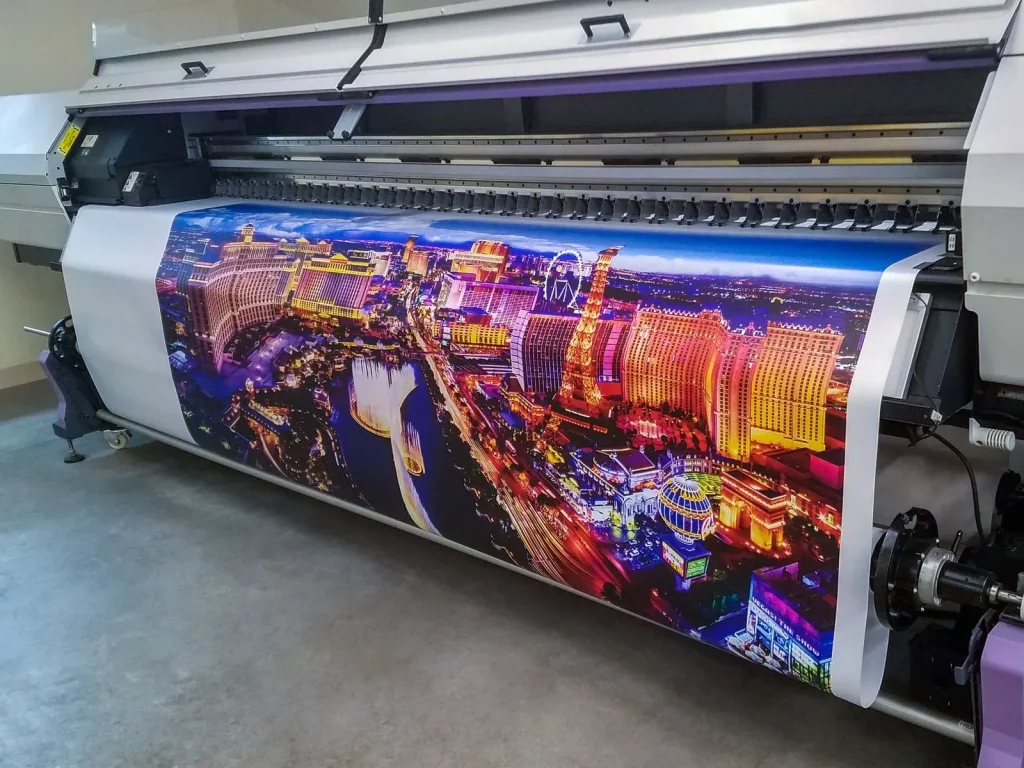
For marketers and event organizers, custom banner printing offers a versatile, cost-effective way to communicate your message. From banner printing materials to banner sizes and finishes, this approach lets you tailor the design to your space and audience. Choosing the right combination—whether you’re using vinyl banners, including custom vinyl banners, or premium fabrics—ensures visibility, durability, and brand consistency. In large format printing terms, these choices influence color, edge clarity, and how your graphics withstand the elements. With a clear goal and proper placement, a well executed banner can attract attention quickly and boost conversion.
For storefronts, events, and exhibitions, this form of signage production blends graphics, messaging, and durable substrates to grab attention. Whether you’re installing large format signage indoors or outdoors, examining banner printing materials, sizes, and finishes helps plan for visibility and longevity. From economical vinyl graphics to premium fabric options, the material choice affects cost, handling, weather resistance, and perceived quality. Wind considerations, mounting methods, and viewing distance guide how the design reads from afar. Partnering with a qualified print provider for proofs and color management ensures your ideas translate into effective indoor or outdoor displays.
Materials that Power Banner Printing: From Vinyl to Fabric and Mesh
Choosing the right materials is the foundation of effective banner campaigns. When you consider banner printing materials, vinyl remains the most versatile option for both indoor and short-term outdoor use, offering cost efficiency and strong color reproduction. Standard vinyl provides reliable performance, while heavy-duty vinyl enhances durability in wind-prone areas, helping to prevent curling and sagging without compromising print quality.
Beyond vinyl, fabric banners bring a premium look and feel, often using polyester blends to reduce glare and deliver sharp, vibrant images. Fabric banners are favored for indoor settings like trade shows and retail displays, where a refined appearance supports brand perception. Mesh banners, with their perforations, excel in windy outdoor environments by allowing airflow and reducing stress on the material, all while maintaining bold graphics from a distance.
Banner Sizes: Matching Space, Distance, and Messaging
Selecting banner sizes requires aligning the display space, viewing distance, and message length. Indoor banners such as 24×36 inches and 36×72 inches offer a balance of visibility and legibility for storefronts or event booths, while larger indoor formats like 48×96 inches provide ample space for impactful imagery when wall space permits.
Outdoor banners typically leverage larger formats, such as 48×120 inches or 72×144 inches, to capture attention from afar. When space is constrained, consider custom banner sizes that preserve your design’s aspect ratio and safe margins. Regardless of size, prioritize readability by using high-contrast typography and limiting text to essential brand elements, a principle echoed throughout banner finishes and printing workflows.
Finishes that Elevate Readability and Weather Resistance
Banner finishes play a critical role in how your message is perceived and how well the banner withstands environment and handling. A gloss finish enhances color vibrancy and light reflection for attention-grabbing visuals, while a matte finish reduces glare, improving legibility in challenging lighting conditions.
Protective laminates and UV coatings extend banner life by safeguarding against scratches and sun exposure. Reinforced hems and mechanical grommets improve installation durability, and options like rod pockets offer simple mounting for lightweight designs. The right banner finishes balance aesthetics, durability, and maintenance, ensuring your message remains clear from launch to final display.
Custom Vinyl Banners and Premium Indoor-Outdoor Options
Custom vinyl banners remain a practical cornerstone for many campaigns, offering affordability with durable performance. When evaluating options, consider how vinyl varieties align with your venue, expected exposure, and printing technology. PVC-free alternatives and water-based inks provide more sustainable paths without sacrificing print quality, appealing to brands with eco-conscious goals.
For a premium presentation, fabric banners deliver a high-end appearance suitable for showrooms, retail spaces, and events. While vinyl supports long-term outdoor use, fabric banners excel indoors where glare reduction and a refined finish matter. By combining materials with appropriate finishes, you can tailor banners to environment, brand voice, and audience expectations.
Large Format Printing: Ink, Substrates, and Durability
Large format printing expands what’s possible for banner campaigns, enabling large, high-impact graphics that remain sharp from a distance. Printing technology choices—such as eco solvent and solvent inks—offer durable outdoor performance on vinyl substrates, ensuring bright colors and resilience against the elements.
UV-curable and latex inks bring color fastness and faster production timelines, while maintaining environmental considerations. These large format printing options pair with a variety of substrates—from vinyl to fabric—to deliver cohesive branding across indoor and outdoor environments. Selecting the right combination of substrate and ink helps maintain visual integrity under sun, wind, and routine handling.
Custom Banner Printing: Practical Tips to Maximize ROI and Longevity
Custom banner printing should start with a clear goal, measuring the display area and choosing materials, sizes, and finishes that align with the intended duration and audience. By weighing durability against cost, you can optimize for maximum impact while staying within budget, and leveraging banner sizes that fit typical viewing distances to ensure quick comprehension.
From color management to proofing and installation, practical steps can safeguard a campaign’s success. Work with a trusted print provider who can deliver color-accurate proofs, durable finishes, and a production timeline that fits your event or storefront schedule. With thoughtful planning and the right combination of banner printing materials, sizes, finishes, and printing technology, you can achieve a strong return on investment and lasting brand recognition.
Frequently Asked Questions
How do banner printing materials affect the durability and appearance of custom banner printing?
In custom banner printing, the material you choose drives durability and visual quality. Standard vinyl is economical for indoor or short-term use, while heavy-duty vinyl handles outdoor exposure and higher wind loads. PVC-free vinyl and eco-friendly options suit sustainability goals. Fabric banners offer a premium look with less glare, and mesh banners reduce wind resistance; inks such as eco-solvent, UV-curable, or latex influence color longevity. Choose materials based on placement, exposure, and duration to optimize results.
What banner sizes should I consider for my space in custom banner printing?
Banner sizes should match viewing distance and space. Indoor banners commonly use 24×36 or 36×72 inches; larger indoor formats like 48×96 inches work in spacious venues. Outdoor banners often use 48×120 or 72×144 inches, with reinforced hems or wind slits for wind tolerance. For unusual spaces, consider a custom size and ensure safe margins and the correct aspect ratio to preserve key messaging.
Which banner finishes are best for readability and weather resistance in custom banner printing?
Finishes greatly affect readability and durability. A gloss finish boosts color pop for indoor displays, while a matte finish reduces glare in bright light. Lamination adds protection against scratches and moisture, and UV coating improves color fastness in sunlit outdoor settings. Finishes also influence installation, with reinforced hems, grommets, and pockets making mounting easier.
What advantages do custom vinyl banners offer in a custom banner printing project for storefronts and events?
Custom vinyl banners are affordable, durable, and versatile for storefronts and events. They reproduce vibrant colors well and perform reliably in short- to medium-term outdoor use when paired with UV inks and protective lamination. They are cost-effective for large quantities and available in a wide range of sizes, making them ideal for quick turnarounds and scalable campaigns.
How does large format printing influence the quality of custom banner printing?
Large format printing expands capabilities for bold, high-impact banners. It relies on careful color management and appropriate inks (solvent, eco-solvent, UV-curable, or latex) to suit indoor or outdoor use. This technology supports edge-to-edge clarity and high-resolution graphics, but requires selecting materials and finishes that maximize weather resistance and durability at large scales.
What should I include in my plan to optimize a custom banner printing project across materials, banner sizes, and finishes?
For an optimized custom banner printing project, define viewing environment, duration, and budget; select suitable banner printing materials; choose banner sizes that fit the space while preserving readability; and pick finishes (lamination, UV coating) for durability. Prepare high-resolution artwork with safe margins and consistent color management. Collaborate with a print provider that offers proofs, color management, and a clear production timeline.
| Aspect | Key Points |
|---|---|
| Materials |
|
| Sizes |
|
| Finishes |
|
| Design & Readability |
|
| Choosing Materials & Finishes for Goals |
|
| Durability, Storage & Maintenance |
|
| Cost, Value & ROI |
|
| Common Mistakes |
|
| Printing Technology |
|
| Final Thoughts |
|
Summary
Custom banner printing is a versatile tool for promoting brands, events, and messages across indoor and outdoor spaces. By understanding the different materials (vinyl, fabrics, mesh), sizes for various placements, and finishes (gloss, matte, lamination, UV coating), you can tailor banners to fit specific goals and environments. Pay attention to readability, safe margins, and image resolution to ensure legibility from distance. Consider durability, storage, and maintenance to extend banner life, and budget wisely by weighing cost against value and return on investment. The right combination of material, size, and finish, chosen with audience and setting in mind, will maximize impact and reinforce your branding across campaigns.