
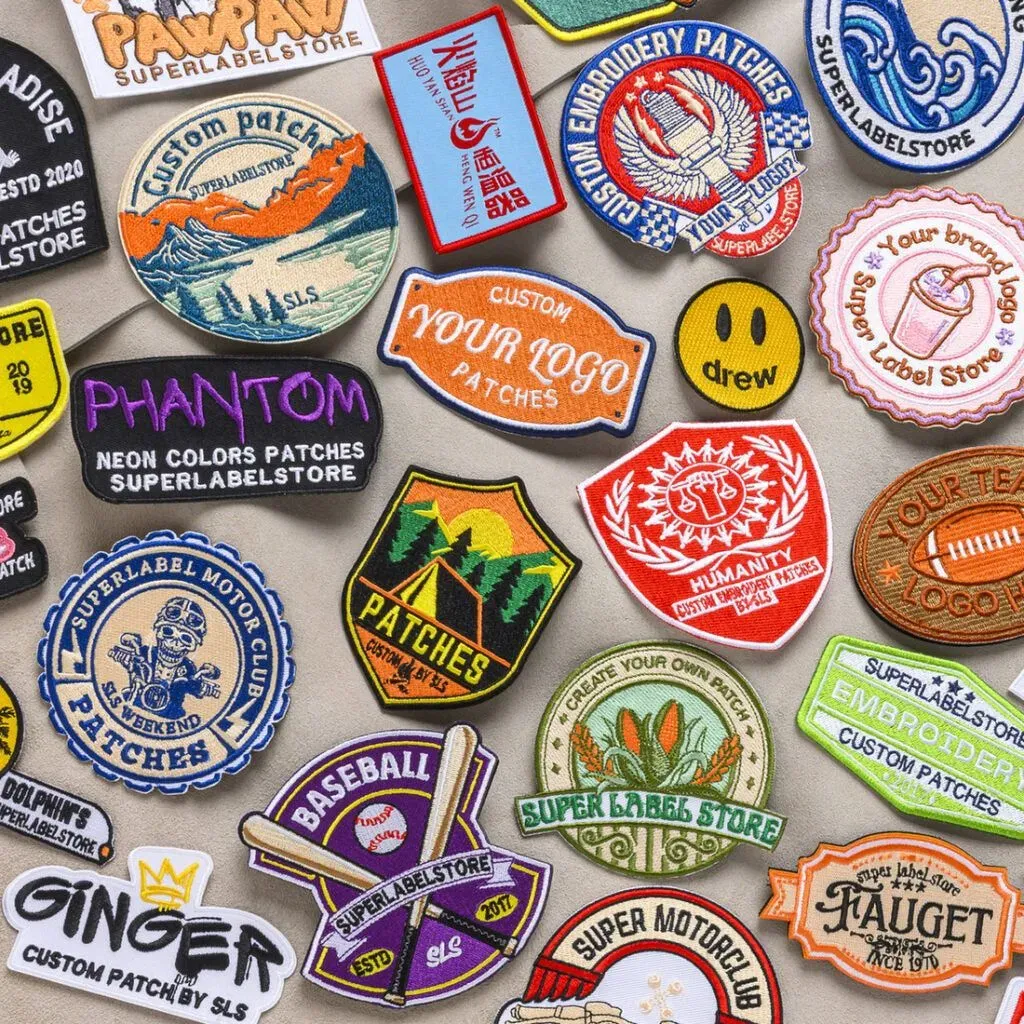
For shoppers seeking high-quality embroidered patches, durability, precise stitching, and colors that last are essential. These patches let you personalize gear for teams, clubs, brands, and events, helping your identity stand out. To choose wisely, look beyond price and inspect thread type, stitch density, backing, and edge finishing. If you want to buy embroidered patches online with confidence, seek options that offer proofs, color references, and durable backings. A well-made patch balances faithful artwork with lasting wear, whether you choose ready-made or custom embroidered patches.
Think of these items as fabric insignia and stitched badges that communicate identity through durable construction and precise embroidery. Rather than calling them merely patches, consider terms like embroidered insignias, appliqué badges, or sew-on emblems that fit jackets, bags, and uniforms. Material choices, such as twill versus vinyl, and backing options—iron-on, sew-on, or hook-and-loop—shape usability and longevity. The production process, including vector proofs, stitch counts, and colorfast dyes, determines how faithfully artwork translates to fabric. When evaluating suppliers, prioritize clear specifications, samples, and transparent warranties to ensure you get reliable, long-lasting emblems that meet your needs.
1. Defining Quality: What to Look for in Embroidered Patches
Quality starts with the embroidery fundamentals: thread type, stitch density, backing, and edging. High-quality embroidered patches use strong, colorfast threads that resist fading and fraying even after repeated washing, ensuring your designs stay vibrant through years of use. Paying attention to these basics helps you distinguish durable patches from hype and makes it easier to compare options when shopping for patches online or in person.
When evaluating options, request a physical sample or swatch if possible. Ask what material the patch is made from (traditional twill, vinyl, or embroidered fabric), the embroidery density, and the stitch types used (satins, fills, or tatami). Also inquire about the backing and finish at the edges. For color accuracy, request a color proof or swatch, and remember that size matters: too small can erase detail, too large can overwhelm the garment.
2. Visual Fidelity: The Role of Stitch Density and Edge Finishing
Stitch density directly affects how clearly a design reads up close. Too sparse and lines blur; too dense and patches can bulk with a heavy, less flexible feel. A well-balanced density delivers crisp edges, faithful color reproduction, and durability in everyday wear, making it a key factor in choosing the best embroidered patches for jackets or uniforms.
Edge finishing, such as a Merrow border or robust overlock, protects against fraying and gives patches a polished look. A strong edge is essential for long-term aesthetics, especially on items that endure frequent washing or rough handling. When comparing vendors, look for consistent edge quality across the catalog and consider how the finish will perform on your chosen garment.
3. Backing Options and Garment Compatibility
Backings determine how patches adhere to fabric and influence care. Common choices include iron-on, heat-seal, sew-on, and Velcro-backed patches. Each option has trade-offs in durability, flexibility, and washing resistance. If affordability is a priority, weigh the upfront cost against long-term usability and the garment’s care requirements.
For jackets, bags, or heavy-use gear, a reliable backing paired with durable threads ensures longevity. If you plan frequent washing or outdoor use, prioritize patches with strong backing, UV-resistant threads, and a secure border. When shopping, ask about backing compatibility with your intended garment and request samples to test adhesion and ease of application.
4. Customization Steps for Flawless Patches
Customization starts with a high-resolution vector file (AI, EPS, or SVG) and confirmed color codes (Pantone references help minimize surprises). Decide on backing, size, and shape—round, oval, shield, or contour cuts that follow the design. For a smooth process, choose a vendor that can provide vector proofs, color codes, and clear milestones for revisions.
Discuss thread types (polyester for durability, rayon for a softer sheen) and finish options (matte, glossy, or glow-in-the-dark). If you’re ordering large quantities, ask about proofs and revisions, minimum order quantities, bulk discounts, and production timelines. A vendor with a transparent design process helps ensure your final patch matches your artwork and expectations, whether you’re producing custom embroidered patches or other branded patches.
5. Where to Buy High-Quality Embroidered Patches: Online and Local Options
When you’re ready to buy, reputable online retailers and dedicated patches suppliers offer broad catalogs, consistent quality, and faster shipping. For custom embroidery work, seek vendors that provide vector-based proofs, clear color codes, and accessible samples. Online marketplaces can be convenient for finding affordable embroidered patches, but it’s wise to compare multiple vendors and read reviews focused on longevity after washing.
Local shops can be valuable for hands-on proofs, quick feedback, and immediate support, though prices and lead times may be higher. If you’re balancing budget and quality, request samples and compare material specifications, embroidery counts, and care guidelines. For teams or brands with ongoing needs, consider patch programs or vendor partnerships that streamline reorders and maintenance while keeping options affordable and reliable.
6. Care and Longevity: Keeping Patches Vibrant Through Washing and Wear
The durability of high-quality embroidered patches depends on proper care. After washing, air-dry patches to preserve backing integrity and stitching. If you use an iron-on backing, follow the manufacturer’s heat instructions to avoid scorching or glue residue, and always test on a small fabric area first. Proper storage—flat and out of direct sunlight—helps maintain color and shape over time.
For patches on items subjected to frequent washing or sun exposure, choosing colorfast threads and a robust backing becomes essential. Regular care—such as inspecting edges, resealing Velcro backings when needed, and avoiding high-heat dryer settings—extends life. With proactive maintenance, you’ll keep patches looking sharp on jackets, backpacks, hats, or event memorabilia year after year.
Frequently Asked Questions
What makes high-quality embroidered patches stand out?
High-quality embroidered patches stand out through durable thread, appropriate stitch density, secure edging, and a sturdy backing. Use colorfast, fade-resistant threads and a clean Merrow or overlock border to prevent fraying. Choose backing that suits the garment (iron-on, sew-on, or Velcro) and rely on tested materials for long-term colorfastness and performance.
How can I evaluate patch quality before buying high-quality embroidered patches?
Check embroidery density and stitch types (satins, fills, tatami), edge finish, and backing compatibility. Request a material spec and a colorproof swatch or physical sample to compare against your artwork. Confirm colorfast dyes, correct sizing, and a clear finish on the edges to avoid puckering after washing.
Where to buy high-quality embroidered patches online?
Look for reputable online retailers or dedicated patches vendors that offer vector proofs, color codes, and low minimums. Request samples and a written warranty or return policy, and compare backing options and durability. Favor vendors with transparent production timelines and positive reviews for long-lasting patches.
What should I consider when ordering custom embroidered patches?
Prepare a high-resolution vector file and specify color codes, backing, size, and shape. Discuss thread materials and finish options, request proofs and revisions, and confirm minimums, bulk discounts, and production timelines. A transparent design process helps ensure your custom embroidered patches match your artwork.
Are affordable embroidered patches a good option, and how can I balance price and quality?
Affordable embroidered patches can be cost-effective, but avoid sacrificing stitching density, edge finishing, or colorfastness. Compare several vendors, request samples, and review material specs and care guidelines. Look for reasonable minimums, clear warranties, and strong value for ongoing or bulk orders.
What makes the best embroidered patches for jackets durable and colorfast?
The best embroidered patches for jackets use colorfast threads, a strong backing, and a robust edge like a Merrow border. Ensure UV resistance and washing durability, and verify backing compatibility with jackets or outdoor gear. A good vendor provides proofs and care instructions to maintain color and integrity over time.
| Aspect | Key Points | Practical Takeaways |
|---|---|---|
| Overview (What high-quality patches deliver) | Durability, precise stitching, colorfastness; suitable for personalizing gear, teams, clubs, brands, and events. | Look for long-lasting threads, crisp designs, and faithful color reproduction. |
| Quality factors (Embroidery basics) | Thread type, stitch density, backing, edge treatment; colorfast threads resist fading; density affects crispness; Merrow/overlock edge for a polished finish. | Choose patches with colorfast threads, appropriate density, and clean edge finishing. |
| Backing options | Iron-on, heat-seal, sew-on, Velcro; each has pros/cons; backing should be securely attached and garment-compatible. | Select backing compatible with the garment and consider wash/durability needs. |
| Color fidelity & edge finish | Colorfastness and edge quality affect appearance after use and washing. | Ask for color proofs or swatches; verify that edges are clean and consistent. |
| Evaluation before buying | Ask about materials (twll, vinyl, embroidered fabric), embroidery density, stitch types (satins, fills, tatami), backing permanence, edge finish, visible backing/mesh, and size suitability. | Request samples; confirm details before ordering. |
| Where to buy | Reputable online retailers and patch specialists; look for vector proofs, color codes, and reasonable minimums; durable backing for heavy-use gear; check reviews. | Ask for samples, warranties, and clear material specs. |
| Customization options | Vector files (AI, EPS, SVG); Pantone color references; backing, size/shape, thread types, finishes; proofs and revisions; MOQs and production timelines. | Choose vendors with transparent design processes and milestone reviews to ensure artwork matches. |
| Care & longevity | Post-wash care; air-dry; follow heat-backings instructions; store patches flat; colorfast threads and strong backing aid longevity. | Follow care guidelines to preserve appearance and durability. |
| Common mistakes to avoid | Buying based on price alone; ignoring backing compatibility; oversized patches on thin fabrics; skipping proofs; vague warranties. | Value quality and proofs over price; verify materials and backing specs. |
| Buyer’s checklist | Clear product descriptions (material, backing, dimensions, lead time); durability evidence (thread, density, border); multiple backing options; colorfastness and care details; samples/proofs; transparent pricing; reasonable minimums. | Use the checklist to compare vendors and validate specs. |
Summary
High-quality embroidered patches set the standard for durable branding and personal expression. This descriptive overview highlights how thread quality, stitch density, backing, and edging influence appearance and longevity, helping you choose patches that perform as well as they look. By understanding what to evaluate, you can compare vendors, request proofs, and select patches that align with your budget and needs. With careful selection, you’ll have patches that resist wear, maintain color, and convey your identity clearly across jackets, bags, hats, uniforms, and event memorabilia.
