
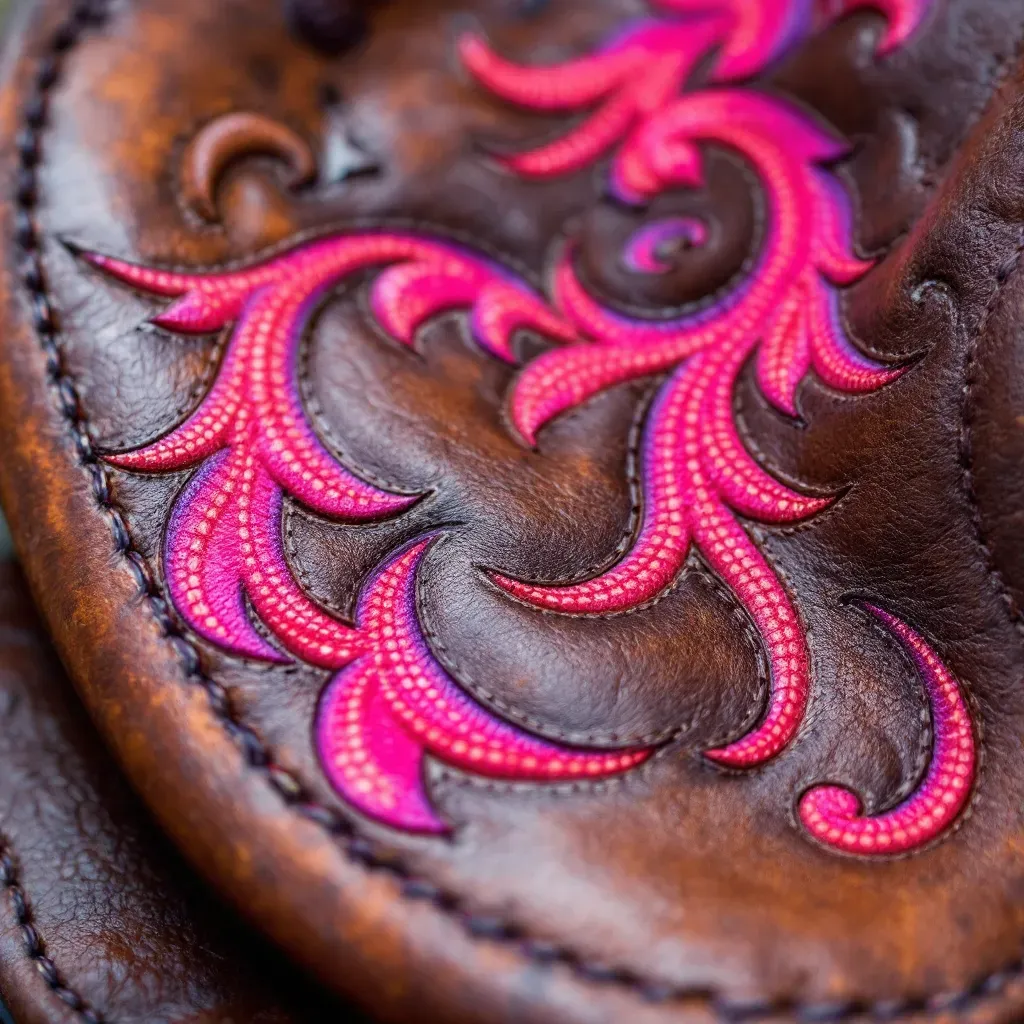
The embroidered leather design blends artistry with durability, turning plain hides into personal, wearable statements that can travel from day to night. This timeless craft sits at the intersection of leather embroidery techniques and texture, where stitch choices harmonize with the leather grain to create a luxurious, durable look. When done with care, decorative stitching on hides adds character to wallets, belts, bags, and boots while maintaining structure. This guide also emphasizes selecting the right leather type, appropriate threads, and needles to support clean lines and lasting performance. Whether you’re a beginner or a seasoned stitcher, simple pattern transfers, careful tension, and proper finishing will help you achieve professional results.
Beyond that exact term, this craft is often described as stitched leather artistry or leathercraft embroidery, where threadwork complements the grain. Practitioners explore decorative stitching on hides, using hand-stitch methods or light machine feeds to create texture, color, and durable structure. Care and maintenance for stitched leather pieces remain crucial, as proper conditioning and gentle cleaning protect both color and stitch integrity. Whether adorning wallets, belts, bags, or footwear, the principle remains the same: thoughtful materials, precise execution, and mindful care yield lasting, stylish results.
1) Embroidered Leather Design: Core Concepts and Craft Principles
Embroidered leather design blends artistry with the natural texture and durability of leather, creating a surface that carries both visual interest and tactile depth. This core concept goes beyond simple decoration, aiming to fuse thread with the leather’s grain so that stitching feels integral rather than pasted on. In practice, you balance contrast, scale, and stitch choice to honor the material’s strength while delivering a design that remains flexible enough to wear with daily use. Embroidery on leather thus demands respect for the fabric and a careful approach to pattern and tension.
To achieve professional results, study the foundational leather embroidery techniques and how they interact with the grain. Mastery comes from understanding how different stitches sit on leather, how backing or none backing affects stability, and how to select thread that withstands abrasion. When done thoughtfully, embroidered leather design becomes a durable, personal statement rather than a fragile ornament, and it invites exploration of both traditional and contemporary motifs within leatherworking crafts.
2) Choosing Materials for Leather Embroidery: Leather Types, Threads, and Needles
Your material choices begin with leather type. Full-grain and top-grain leathers with tight grains are easier to embroider because they resist stretching and tearing more reliably, while softer hides like suede may require stabilizers or lighter handling. Veg-tan leather is a popular entry point because it accepts holes and stitches cleanly without excessive distortion. Selecting the right leather sets the foundation for clean lines and durable embroidery on leather projects.
Thread, floss, needles, and tools complete the setup. Waxed polyester and nylon threads offer strength and abrasion resistance critical for daily-use items, while mercerized cotton can yield a classic sheen for subtle designs. Use leather needles or harness needles with a sharp point to minimize tearing, and consider a thimble and awl for pre-punched holes. Testing thread tension on a scrap piece helps you gauge how the stitch will look against the leather grain and guides the right balance of color and texture.
3) Techniques Spotlight: Hand Embroidery on Leather and Machine Embroidery
Hand embroidery on leather is prized for its organic texture and flexible design possibilities. Stitches such as running stitch, backstitch, satin stitch, stem stitch, and French knots work well when paired with careful tension and thread choices that harmonize with the leather’s surface. This approach keeps the tactile quality of the seam intact and allows for nuanced shading and contouring that can adapt to irregularities in the hide.
Machine embroidery on leather opens efficiency for larger motifs or repeat patterns, provided you use thin, flexible stabilizers and appropriate needles. The key is to test densities and avoid perforating the leather, ensuring the machine work remains smooth and professional. Whether you lean toward hand embroidery on leather for a personal touch or machine embroidery for precision, both methods rely on the same core principles of design, stability, and material respect.
4) Pattern Transfer and Setup: Tools, Stabilizers, and Stitch Planning
Pattern transfer is the first critical step in embroidered leather design. Use tracing carbon or a light pencil to transfer motifs, and lightly score the lines to guide stitches without leaving visible marks. For more complex motifs, pre-punch small holes with a leather awl to help keep threads aligned as you work. This preparation minimizes pattern slippage and helps achieve consistent spacing across the design.
A well-planned setup includes choosing the right stabilizers or backing, even on less rigid hides. Light stabilizers or thin interfacing behind the embroidery area can prevent warping while keeping stitches clean and legible. Pay attention to tension, alignment, and seam allowances, and plan your stitch order to maintain balance between outlines, fills, and any decorative edges you intend to emphasize.
5) Care for Embroidered Leather: Cleaning, Conditioning, and Longevity
Caring for embroidered leather starts with gentle cleaning and mindful conditioning. Gently wipe away surface dust with a soft, dry cloth, and use a mild leather cleaner tested on a hidden area before applying it more broadly. Avoid soaking the leather, as moisture can weaken threads and alter the embroidery’s appearance over time. This careful approach helps preserve both the leather’s finish and the integrity of the stitched design.
Conditioning is essential for longevity. Choose a conditioner suited to your leather type and apply sparingly around the embroidered area to prevent stiffness or color bleeding. Store embroidered pieces away from direct sunlight and in stable humidity to protect both leather and thread. Regular inspection for loose threads and fraying will maximize the lifespan of the embroidery and the leather alike, aligning with best practices for embroidered leather accessories care.
6) Projects and Practical Tips: From Wallets to Boots, Making It Last
Starting with small projects like a floral motif on a leather wallet can build confidence while illustrating how to apply both hand embroidery on leather and light machine work to real items. Plan your motif to fit the leather’s corners or panels, and consider color contrast, stitch density, and thread choice that will age gracefully with daily use. This practical approach helps you translate the craft into durable, wearable pieces that still feel personal.
As you expand to belts, bags, or boots, maintain a rhythm of careful pattern transfer, stable setup, and thoughtful care. The principles of embroidered leather design—tension control, material respect, and consistent finishing—remain constant across projects. Regular embroidered leather accessories care, including cleaning, conditioning, and proper storage, will ensure that each piece remains a lasting expression of craftsmanship.
Frequently Asked Questions
What is embroidered leather design and why is it considered a durable, personal craft?
Embroidered leather design refers to motifs stitched directly onto leather surfaces, blending thread with the grain for a durable, personal look. It requires careful material choices and stitching that nest into the leather’s texture, so the design remains flexible and resistant to cracking. With proper leather types, thread, needles, and backing when needed, embroidered leather design can elevate wallets, belts, bags, and boots into premium accessories.
What leather embroidery techniques are most effective for quality embroidered leather design?
Key leather embroidery techniques for quality embroidered leather design include hand embroidery on leather for flexibility, couching for raised outlines, and edge stitching for durability. Satin stitch, running stitch, stem stitch, and French knots can achieve solid color blocks, delicate lines, and texture when used with appropriate thread. You can also explore machine embroidery on leather with thin stabilizers, but test density and needle choice to avoid perforation.
How should I care for embroidered leather to preserve color and stitching?
Care for embroidered leather is essential to preserve color and stitching. Gently wipe dust with a soft cloth, use a mild leather cleaner tested on a hidden area, and avoid soaking. Regular conditioning of the leather, around the embroidery, helps prevent drying and color bleeding, while protecting the stitching from wear.
What considerations are there for hand embroidery on leather versus machine embroidery?
For hand embroidery on leather, control of tension and precise hole punching are critical to avoid tearing. Handwork offers flexibility but takes care with leather type and backing. In contrast, embroidery on leather via machines can be efficient for repetitive patterns but requires the right needles, stabilizers, and test runs to prevent perforation.
How can I transfer patterns reliably for embroidery on leather and avoid visible lines?
Pattern transfer for embroidery on leather should be precise to avoid visible lines. Use carbon tracing or light pencil, and lightly score or pre-punch small holes to guide stitches. Confirm alignment on a scrap piece before stitching, and consider placing a light stabilizer to prevent shifting.
What are common mistakes when starting with embroidered leather design, and how can I avoid them?
Common mistakes when starting with embroidered leather design include using the wrong needle size, over-stretching the leather, and choosing incompatible thread. Also, neglecting proper pattern transfer and skipping conditioning can shorten longevity. Avoid these by testing on scrap leather, maintaining even tension, and conditioning the piece after stitching.
| Aspect | Key Points | Notes / Tips |
|---|---|---|
| What it is | Motifs or textures stitched onto leather to fuse thread with the grain; aims to prevent cracking while displaying design | Leather is rigid; choose appropriate materials and techniques to balance durability and aesthetics. |
| Materials | Leather types (full-grain/top-grain; suede; veg-tan), threads (waxed polyester/nylon; mercerized cotton), needles/stabilizers, pattern transfer | Test tension on scrap leather; consider stabilizers for soft leathers; plan transfer methods before stitching. |
| Techniques | Hand embroidery, couching/appliqué, edge stitching, machine embroidery; key stitches include satin, running, stem, French knots | Choose technique based on design, leather type, and desired texture; test densities and stability. |
| Project Workflow | Plan & transfer, prep leather, pre-punch holes, thread selection, stitch, finish, care | Begin with simple motifs; maintain even tension and neat ends; condition leather after embroidery. |
| Care & Maintenance | Cleaning, conditioning, protection from elements, proper storage | Use appropriate leather conditioner; avoid soaking; store away from direct sun and extreme humidity. |
| Common Pitfalls | Wrong needle/holes, over-stretching, incompatible thread, poor pattern transfer, neglecting maintenance | Test on scrap; secure accurate tracing; check alignment before stitching; regular maintenance checks. |
Summary
Table summarizing key points about embroidered leather design: what it is, materials, techniques, workflow, care, and common pitfalls.
