
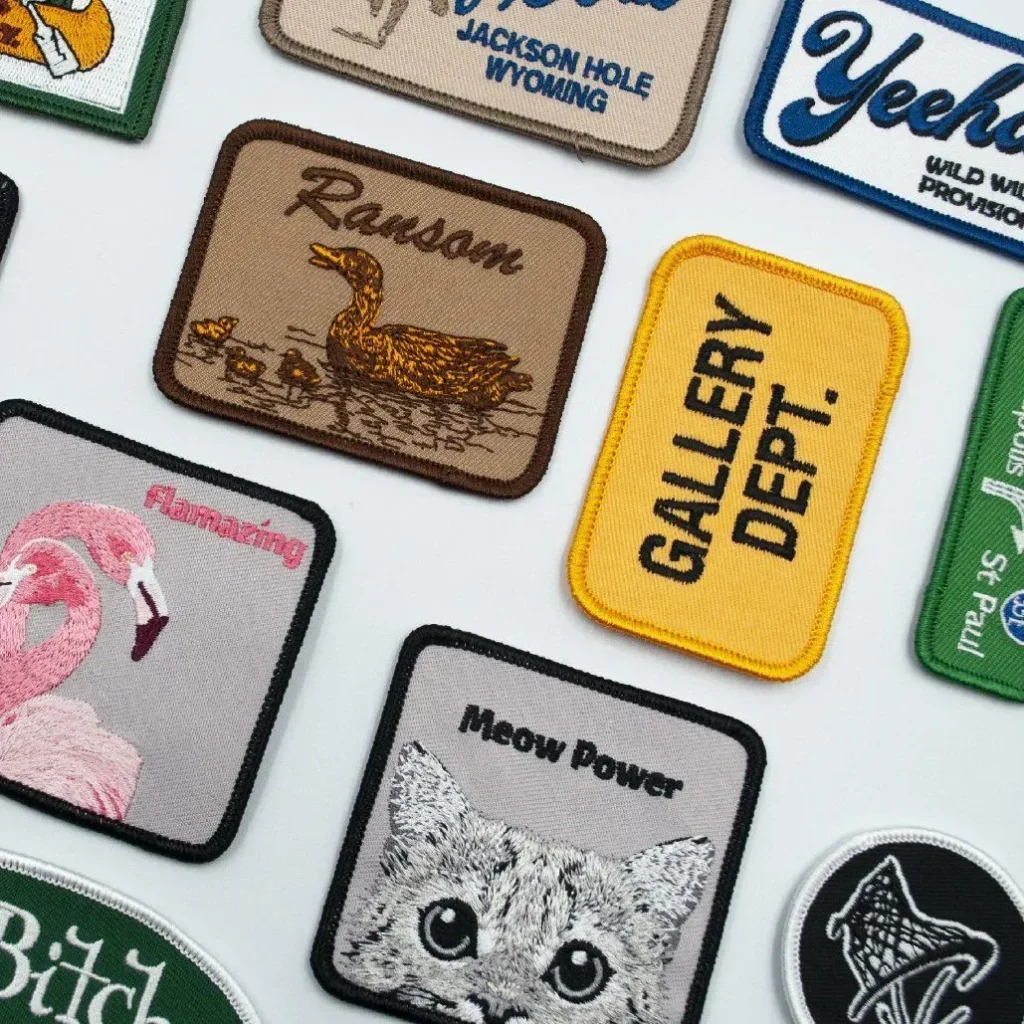
Custom patches for clothing have moved beyond a simple label to become a bold way to express identity, brand pride, and DIY creativity. Iron-on patches provide a fast, heat-activated option that works well on denim, cotton, and sturdy fabrics, making quick wardrobe updates easy. For garments that see frequent washing, sew-on patches offer long-lasting durability and a handcrafted look that many crafters value. With careful application and proper care, patches stay attached and retain color, texture, and edge integrity through repeated wear. Whether you’re updating a vintage jacket or branding a team, choosing the right patch type can transform fabric into a personal statement.
1. Iron-On Patches: Quick, Convenient Solutions for Fast Personalization
Iron-on patches provide a fast route to customization. The heat-activated adhesive backing melts onto the fabric when pressed with a hot iron or heat press, creating a bonded attachment without sewing. This method shines on sturdy fabrics like denim, canvas, and cotton blends where the glue can grab hold. When done correctly, iron-on patches for clothing become nearly invisible from the outside while offering a durable bond that survives regular wear. Temperature control is essential—too low heat can leave the patch loose, while too much heat can scorch delicate fabrics or warp vinyl embellishments.
Pre-testing on a scrap area helps you dial in the right settings, and following the manufacturer’s instructions ensures a solid bond. The advantages of iron-on patches include speed, affordability, and accessibility, making them ideal for quick wardrobe updates, club branding, or temporarily swapping patches. For best patch care and durability, turn the garment inside out for washing and use a gentle cycle to minimize edge lifting.
2. Sew-On Patches: Durable and Versatile for Long-Lasting Wear
Sew-on patches are the classic choice for enduring embellishment. They’re especially reliable on garments that undergo frequent washing, heavy wear, or outdoor use, where a stitched edge provides superior durability. Sew-on patches for clothing can be attached with coordinating thread colors and a variety of stitch types, from a simple running stitch to a dense satin or zigzag edge that embeds the patch securely into the seam line.
The pros of sew-on patches include resilience in tough conditions, the ability to tailor placement with precision, and compatibility with delicate fabrics that may not respond well to heat. They also allow for more complex shapes and border finishes since there’s no adhesive layer to fail. The main drawbacks are the time required for stitching and the skill involved; an even stitch line around the patch prevents fraying and helps the patch lie flat, especially on sports jerseys or backpacks.
3. PVC Patches: Modern, Weather-Resistant Options for Bold Style
PVC patches are a contemporary option that offers a bold look and exceptional durability without requiring sewing. Made from a soft, flexible plastic, PVC patches are heat-bonded or adhered to fabric through a process that creates a raised, 3D effect. They’re water-resistant, abrasion-resistant, and retain color vibrancy through sun exposure and repeated washing, making them popular for streetwear, tactical gear, and kids’ clothing.
One key benefit is design flexibility: manufacturers can craft highly detailed images with smooth gradients, making PVC patches stand out on jackets, bags, and hats. Maintenance is minimal—clean with a damp cloth and avoid harsh solvents that could affect the edges. While PVC patches can be pricier per piece than iron-on or sew-on options, they provide a consistent look across fabrics since the material doesn’t rely on glue or stitching to hold it in place.
4. Choosing the Right Patch for Your Garment: Fabric, Use, and Budget Considerations
Selecting the best patch type depends on fabric, use case, care expectations, and budget. For cotton and denim, iron-on patches can deliver quick updates, while delicate knits and synthetics may respond better to sew-on or PVC patches. Consider wear and wash frequency: heavy-duty outerwear or sports gear often benefits from sew-on or PVC performance, whereas casual tops may tolerate iron-on patches.
Aesthetic and texture also matter: iron-on patches deliver a flat look, sew-on patches can feature visible stitching for a handcrafted vibe, and PVC patches provide a bold, three-dimensional effect. For custom patches for clothing used in teams or brands, coordinating patch type with expected care helps preserve the look over time. Budget considerations typically place iron-on at the lower end, with PVC patches commonly at the higher end due to material costs.
5. Patch Care and Durability: Extending Life Across Washes
To maximize patch life, understanding patch care and durability is essential. Each patch type has unique needs, but all benefit from proper washing and handling. Iron-on designs should be turned inside out and washed on gentle cycles to minimize edge lifting, while sew-on patches rely on secure stitching and sometimes stabilizers to prevent fraying during repeated laundering.
PVC patches require careful cleaning—wipe with a damp cloth and avoid solvents that could degrade heat-bonded edges. Regular inspection after washes helps catch loosening patches early, allowing for quick reattachment. Following these care practices helps ensure that your patches maintain their color, shape, and attachment over many wears.
6. Practical Guide: Applying and Caring for All Patch Types on Various Fabrics
Whether you choose iron-on, sew-on, or PVC patches, preparation matters. For iron-on patches, ensure the fabric is clean and dry, pre-press the area, and apply with even heat and pressure for the recommended duration. For sew-on patches, place the patch on the desired area, use a stabilizer if working with lightweight fabrics, and stitch carefully along the edge or in a border pattern for durability.
PVC patches can be applied without sewing, but some items benefit from heat-activated backing or a moisture barrier to avoid edge curling. Regardless of type, always test on a small, inconspicuous area first, and use proper care instructions to preserve patch appearance and adhesion. Regularly inspect edges after washing and re-secure as needed to maintain a polished, durable look.
Frequently Asked Questions
What are the main types of custom patches for clothing and how should I choose between iron-on patches, sew-on patches, and PVC patches?
Custom patches for clothing come in iron-on patches, sew-on patches, and PVC patches. Iron-on patches provide fast application but depend on fabric compatibility; sew-on patches offer durable attachment best for frequent washing; PVC patches give a bold, weather-resistant look that doesn’t require sewing. Choose based on fabric, wear frequency, and budget.
Are iron-on patches for clothing easy to apply, and which fabrics work best for a strong bond?
Iron-on patches for clothing are quick to apply with a heated iron or heat press. They bond best on cotton, denim, and sturdy blends; delicate knits and certain synthetics may not fuse well. Always test first, follow heat settings, and turn the garment inside out for washing.
How durable are sew-on patches for clothing when exposed to frequent washing and outdoor use?
Sew-on patches for clothing are highly durable due to stitching, making them ideal for frequent washing and outdoor wear. Use matching thread, appropriate stitch types, a stabilizer on lightweight fabrics, and backstitch at the start and end to prevent unraveling.
What are PVC patches for clothing and how should you care for them?
PVC patches are raised plastic emblems bonded to fabric, offering a bold 3D look and strong durability without sewing. They resist water and wear but can be more expensive and may need specific bonding methods for some fabrics. Care by wiping with a damp cloth and avoiding harsh solvents or high heat.
How can I care for custom patches for clothing to maximize patch care and durability across patch types?
Care for patches by washing inside out on a gentle cycle, air-drying when possible, and avoiding high heat. Inspect edges after washing and re-secure if needed. Test care methods on a small area first, and follow any patch-type specific guidelines.
What factors should influence my patch selection for garments, including budget, aesthetics, and durability?
When choosing patches for clothing, consider fabric compatibility, wear and wash frequency, and the look you want. Iron-on patches are affordable and quick, sew-on patches emphasize durability and precision, and PVC patches offer bold, textured designs. Balance aesthetics, durability, and budget, and ensure backing size matches garment edges.
| Aspect | Iron-On Patches | Sew-On Patches | PVC Patches |
|---|---|---|---|
| What it is | Iron-On patches: heat-activated adhesive backing bonds to fabric with heat; no sewing required. | Sew-On patches: edges stitched to fabric; durable; no adhesive. | PVC patches: soft plastic with raised 3D design; heat-bonded or adhesive; no sewing. |
| Best fabrics / Fabric compatibility | Denim, canvas, cotton blends; not ideal for stretch knits or delicate blends. | Delicate fabrics compatible; good for heavy wear; works with many fabrics. | Any fabric; less dependent on fabric glue; color and finish consistent across fabrics. |
| Advantages | Speed, affordable, accessible; quick wardrobe updates. | Durable, precise placement; suitable for delicate fabrics; no glue failure. | Design flexibility, durability, water- and abrasion-resistant; bold 3D look. |
| Cautions / Limitations | Temperature control needed; risk of scorching; can lift after washing; pre-test. | Requires sewing skill and time; potential edge fraying; use stabilizer and backstitch. | More expensive; some items need compatible adhesives or heat settings; not always breathable. |
| Application steps | Position patch, place parchment, apply even heat as instructed; let cool; wash inside out. | Position and stitch around edge with chosen stitch; backstitch; use stabilizer on lightweight fabrics; ensure flat seam. | Attach via heat or adhesive per manufacturer; no sewing required; avoid exposing edges to harsh solvents. |
| Care & Maintenance | Wash inside-out, gentle cycle; avoid high heat; air-dry; re-seat loose patches. | Care: wash as per garment care; inspect stitches; re-stitch if needed. | Wipe with damp cloth; avoid harsh solvents; allow to air-dry; minimal maintenance. |
| Choosing the Right Patch | Fabric: Cotton/denim suit iron-on; delicate knits/synthetics favor sew-on or PVC. | Wear & wash: heavy wear favors sew-on or PVC; iron-on for quick casual updates. | Aesthetic: Iron-on flat; sew-on shows stitching; PVC is bold 3D. |
| Practical tips for success | Test on a small area first. | Choose backing size to match garment edge; larger patches need extra care. | Coordinate thread color when sewing; consider a bordered patch for cohesive look. |
Summary
Custom patches for clothing offer a broad avenue to personalize, protect, and embellish garments, with iron-on, sew-on, and PVC options each delivering distinct benefits. By matching fabric, use, care expectations, and budget, you can choose the right patch type to achieve a polished, durable look. Whether you’re creating a one-off fashion statement, outfitting a team, or building a collection of DIY patches, the right patch elevates clothing with lasting charm and character.