
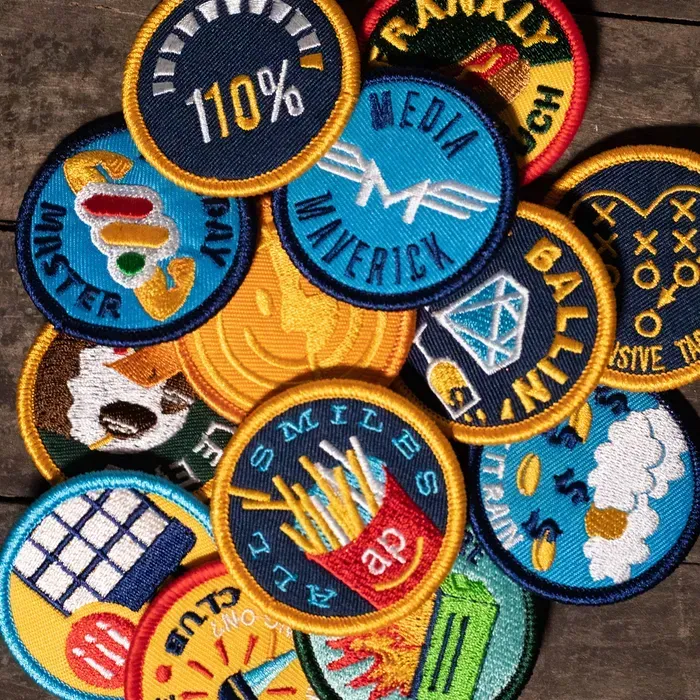
Custom patches have evolved from simple adornments into a universal badge of identity and style, turning clothing, bags, and uniforms into portable ambassadors for teams, clubs, brands, and events, while offering a flexible canvas for storytelling, recognition, and loyalty that can be updated as needs evolve, whether you’re ordering for a small team or a large brand rollout to keep production efficient and budgets predictable, with options such as rotating colorways, badges, and seasonal patches to adapt to campaigns. They provide a compact yet expressive platform for logos, slogans, and color narratives, and you can leverage options like embroidered patches to add texture, dimension, and durability to any ensemble, whether for school spirit, corporate giveaways, or boutique fashion lines, while also ensuring compatibility with different fabrics and care instructions so patches endure washing and wear, and additionally tailoring for regional markets and language variations so the message lands clearly. When you consider patch design and the broader production process, you’re not just decorating garments; you’re building a recognizable identity, and that makes ordering patches a strategic step in brand consistency and event messaging, driving impressions long after a campaign ends, and involving designers, procurement teams, and field managers in a collaborative flow, from initial concepts and vector art to proofs and final approvals. For brands aiming for uniform quality, custom patches for brands should balance durability, color fidelity, legibility, and cost, while details such as embroidered badges can elevate a program on uniforms, bags, lanyards, or hats, reinforcing a cohesive visual language across partnerships, and budgeting for sample runs, early approvals, and scalable production helps prevent costly revisions later. To ensure a strong result, plan for backing options, edge finishes, color management, and quality control, and remember that a thoughtful patch strategy not only enhances appearance but also extends reach, loyalty, and recognition among audiences across channels, while tracking pilot orders to inform scaling decisions, budgets for future campaigns, and opportunities to iterate based on wearer feedback.
Mastering Patch Design for Impactful Embroidered Patches
Effective patch design begins with a clear concept that translates well into embroidery. When designing embroidered patches, think in bold shapes, solid color blocks, and high-contrast imagery that remains legible from a distance. The goal is to create a compact, wearable emblem that communicates your identity at a glance, making the patch itself a portable ambassador for your group or brand. This is the core of any strong patch design and a key step in achieving standout embroidered patches.
Beyond aesthetics, the patch design process considers practical constraints like stitch count, backing compatibility, and edge finishing. Selecting simple shapes and bold color blocks helps maintain legibility, reduces production time, and keeps costs in check. By prioritizing clarity in your patch design, you lay a solid foundation for durable, visually compelling embroidered patches that perform well across garments and accessories.
Choosing the Right Backing, Materials, and Finishes for Durable Patches
The backing you choose directly affects usability and longevity. Iron-on backings are excellent for quick branding on fleece or lighter fabrics, while sew-on backings offer a permanent attachment with enhanced durability. Velcro backings provide interchangeability for name tags or event patches, expanding the patch’s practical applications. Pair these with sturdy materials like twill or felt, which provide a stable embroidery surface and resist wear across many washes.
Material weight and edge finishing also influence the patch’s feel and durability. Polyester threads offer colorfast, long-lasting results, while rayon can provide a lustrous finish for premium looks. Merrow (overlock) borders create a clean, durable edge, and satin stitches around the edge can enhance silhouette sharpness. Understanding these options helps ensure that your patches endure daily wear without losing color or shape.
From Idea to Factory: The Ordering Patches Journey
Turning an idea into a tangible patch begins with a precise brief and a gallery of assets, including a high-resolution logo and preferred shape. The ordering patches process benefits from specifying target sizes, contour options, and a realistic production timeline. Providing clear artwork helps suppliers translate your brand or team identity into embroidery-friendly artwork, reducing the need for costly revisions later.
As the design advances, you’ll typically review digital proofs or physical samples to confirm color accuracy, size, and edge finish. This stage is crucial: changes after production has started can be time-consuming and expensive. By prioritizing proofing and locking in key details early, you ensure the final patches align with expectations and deliver the intended impact.
Sizing, Shapes, and Color Strategy for Patch Design
Shape and contour are fundamental decisions in patch design. Circles, shields, ovals, and rectangles are common due to their efficient stitching and durable edges, but a custom contour can powerfully reflect a logo or emblem. Size matters for legibility—too small and details blur; too large and the patch overwhelms the garment. Align size with the intended garment and viewing distance to preserve brand clarity.
A restrained color palette often yields crisper embroidery and lower production costs. Limiting the number of colors helps maintain fidelity while reducing stitching time. When color strategy is well-planned, your patches retain their identity across different light conditions and fabrics, from athletic uniforms to corporate gifts, reinforcing recognition through consistent patch design.
Quality Control and Proofs: Ensuring Accurate Embroidered Badges
Quality control begins with a thorough proofing process. Request high-resolution proofs that accurately render color, size, and edge finishes, and review critical text or fine lines closely. This step minimizes costly post-production fixes and ensures your embroidered badges meet brand standards before any production runs.
Final checks should include a parts list, color swatches, and clear warranty or replacement policies from the supplier. Verifying these details helps prevent issues like color shifts or edge fraying after washing. A rigorous QA process is essential for delivering patches that consistently reflect the intended design and withstand daily wear.
Custom Patches for Brands: Building Recognition and Loyalty
Custom patches for brands serve as portable ambassadors that extend brand reach beyond traditional media. A well-executed patch design aligns with brand guidelines, delivering consistent color, shape, and symbolism across uniforms, bags, and promotional items. By prioritizing quality and consistency, brands can leverage embroidered patches and embroidered badges to reinforce identity at events and in everyday wear.
Beyond aesthetics, these patches contribute to loyalty and recall. When customers and employees wear patches that accurately reflect a brand’s story, the patches become tactile touchpoints that spark conversations and social media sharing. Thoughtful material choices, durable backing, and reliable edge finishes ensure that the patches remain visible and intact as brand ambassadors over time.
Frequently Asked Questions
What are custom patches and how do embroidered patches relate to embroidered badges?
Custom patches are small fabric pieces with an embroidered or woven design that can be sewn or affixed to apparel, bags, hats, and more. Embroidered patches and embroidered badges are often used interchangeably, but the terms can signal slight differences; for brands, custom patches for brands typically prioritize logo integrity and color accuracy while delivering durable wear.
How should I approach patch design to ensure a strong patch design for logos and brands?
Start with clear objectives for your patch design. Focus on shape and contour, legibility at target sizes, a restrained color palette, appropriate stitch density, and reliable edge finishes. Choose simple, bold elements that translate well to embroidery while preserving your patch design and brand identity.
What should I prepare when ordering patches to ensure a smooth process?
Prepare a high-resolution artwork or vector logo, specify the desired shape and size, select backing and edge finish, and outline your color palette. Request a digital proof or physical sample to verify color accuracy, size, and stitching before production.
What backing and edge finish options should I consider for durable patches?
Common backing options include iron-on, sew-on, and Velcro, chosen for convenience or repeated removal needs. Edge finishes like Merrow borders or satin stitches help seal the design; select based on durability, washability, and how the patches will be worn.
What factors influence the cost of custom patches and how can I manage pricing?
Cost factors include patch size, number of colors, backing type, edge finish, and order quantity. Larger runs reduce per-piece costs; keeping colors and shapes simple can also control stitching time and overall price.
How long does it take to design and order patches from artwork to delivery?
The timeline typically includes proofs, a possible sample, and production. Lead times are commonly 2–6 weeks depending on complexity, quantity, and finishes; add shipping time when planning for events.
| Aspect | Key Points |
|---|---|
| Definition and Purpose | Small fabric pieces with embroidery or weaving, sewn or affixed to apparel and accessories. Serve as identity, branding, and morale boosters for individuals, teams, clubs, and brands; act as portable ambassadors. |
| Design Considerations | Shape/contour, size, color palette, stitch density, thread types, backing options, and edge finish. Common shapes include circles, ovals, shields, and custom contours; Merrow edges and crisp silhouettes enhance durability and look. |
| Design Journey | Start with a high-resolution logo/artwork, choose shape and target size (1–4 inches is typical), and translate brand identity into embroidery-friendly artwork. Simple shapes and bold color blocks work best. |
| Materials & Durability | Backing (twill/felt), top fabric (polyester/cotton blend), and edge finishes affect feel and longevity. Backing choice (iron-on, sew-on, Velcro) and sturdy edge finishing influence wear resistance and washing durability. |
| Ordering & Production | Provide proofs before production (digital or physical). Plan lead times (typically 2–6 weeks). QC steps include color accuracy, size, and edge finish. Packaging and presentation can affect recipient experience. |
| Cost Factors | Costs depend on patch size, color count, backing, edge finish, and quantity. Larger runs lower per-piece cost; more colors increase stitching time. Balance durability and fidelity with budget. |
| Common Mistakes | Too many colors, tiny or fine details that wash out, inconsistent sizes across patches, and rushed approvals without proofs. |
| Checklist | 1) Confirm focus; 2) Prepare scalable artwork; 3) Decide size/shape; 4) Select backing and edge finish; 5) Choose essential colors; 6) Request proof; 7) Plan production and delivery. |
| Applications & Benefits | Custom patches are portable brand ambassadors for uniforms, events, product packaging, and gifting; they communicate professionalism, consistency, and pride across wearables and accessories. |
Summary
The table above highlights the key facets of Custom Patches, from what they are and how they’re designed, to materials, production, cost considerations, common pitfalls, and practical planning steps.